



NGO funding in fisheries scrutinised
The MarInnLeg Foundation has released a revealing new report, ‘Diagnosis of Blue Interest Groups’, examining the financial and political influence of organisations shaping EU fisheries policy.
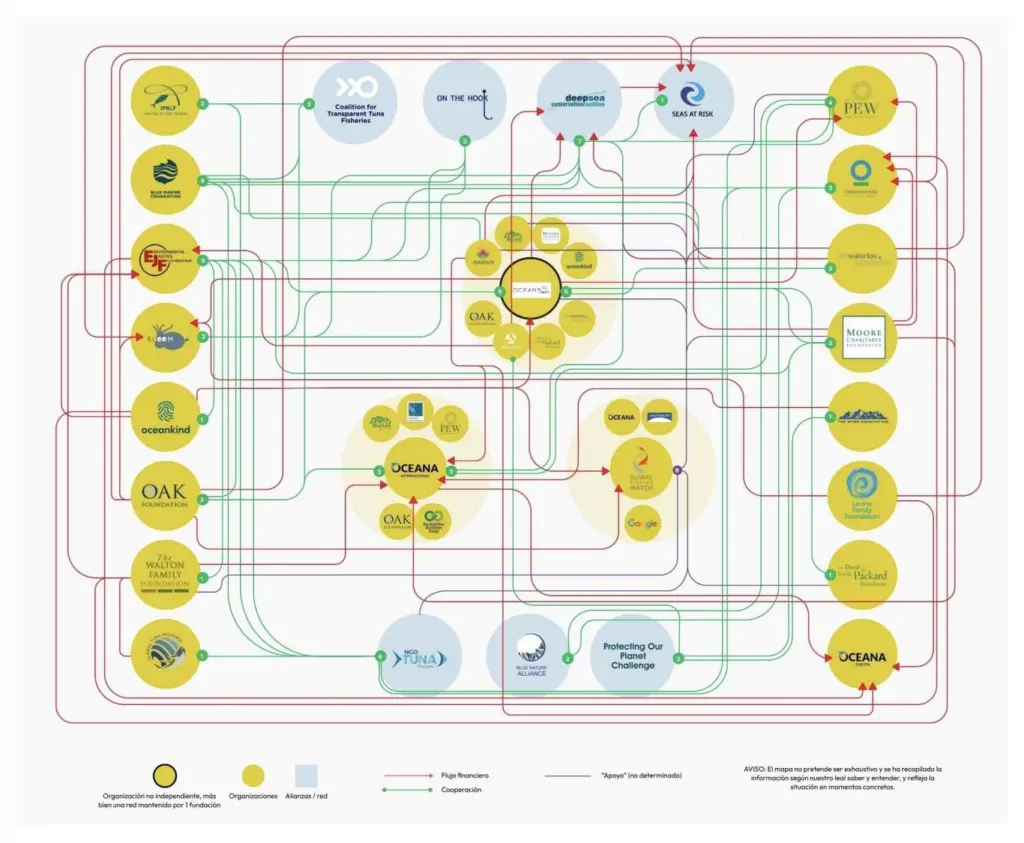
Unveiled during the European Parliament event ‘Financing of Civil Society Actors in Fisheries: Who Pays the Bill?’, hosted by the EPP Group, the report raises serious concerns about the transparency and accountability of certain environmental NGOs.
Based on publicly available data, the study identifies growing discrepancies in funding clarity between fisheries industry groups and conservation-focused NGOs.
While industry organisations typically disclose their financial sources, the report finds that some environmental NGOs operate with significant opacity, particularly through complex legal structures like donor-advised and donor-restricted funds.
“These mechanisms, while legal, can obscure the origin and intended use of substantial financial flows,” the report warns, echoing concerns outlined in the recent European Court of Auditors Special Report 11/2025.
Alarmingly, the study highlights potential links between major environmental NGOs and large technology or fossil fuel companies, which may have overlapping interests in marine areas, particularly regarding access to zones suitable for deep-sea mining. The report suggests these hidden alliances may skew conservation priorities and restrict traditional fisheries access.
“It is crucial to verify whether donations from major non-EU foundations come with strings attached,” said Daniel Voces, managing director of Europêche.
“The EU must adopt more robust safeguards to identify the true interests behind such funding and ensure that non-EU agendas are transparently recognised.”
The report concludes that the intersection of geopolitical, environmental and economic agendas in marine governance demands far greater scrutiny to ensure EU fisheries policies remain fair, balanced and evidence-based.
Related Articles
 FISHERIES
 FISHERIES
 FISHERIES