


Seafish to help UK seafood progress innovation, trade and resilience
Seafish will have seven seafood industry priority areas in the year ahead, the UK non-departmental public body (NDPB) has confirmed. As part of its 2025/26 annual plan, the focus will be on: Workforce, safety, careers and training; Seafood trade and regulation; Climate change; Fisheries management; Supply chain resilience; Industry data, insight and innovation; and Seafood industry reputation.
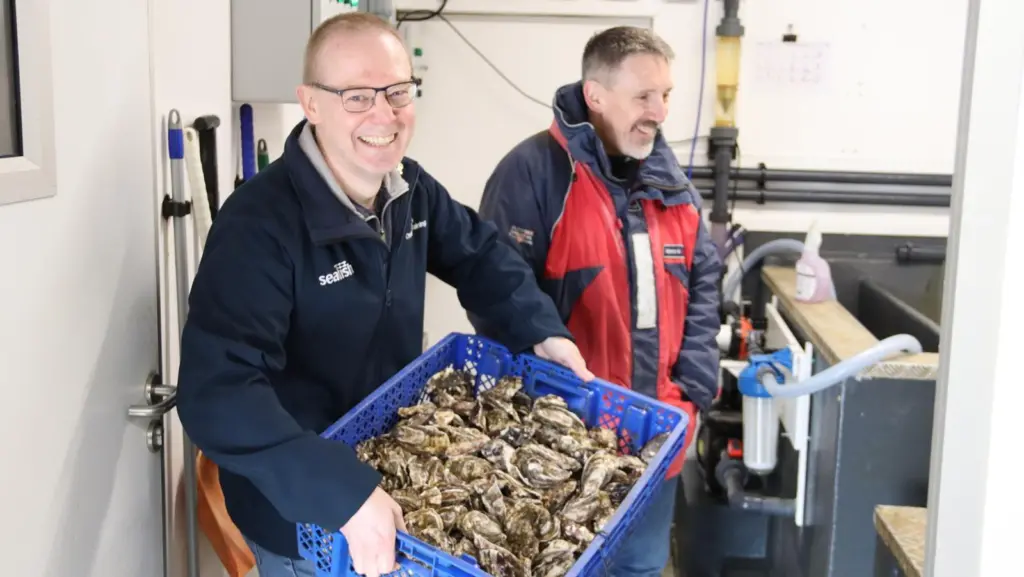
According to Seafish, it was able to progress the support it provided to the seafood industry over the past year, including providing resources to reduce carbon emissions, improving safety at sea, and facilitating international trade.
One achievement highlighted in its review of 2024/25 is the launch of the Seafood Carbon Emissions Profiling Tool (SCEPT), a platform that has seen over 100 businesses sign up to help reduce their carbon emissions as part of Seafish’s efforts to promote environmental responsibility within the seafood industry.
Another is the rollout of the Seafood for Life industry reputation campaign which offers seafood businesses an opportunity to share their success stories, highlight their positive contributions to the industry and boost public perceptions about seafood. This project has helped highlight the industry’s commitment to innovation and providing high-quality and healthy seafood products, employment and other benefits.
Seafish is also playing a key role in supporting the safety and wellbeing of the UK’s fishing community. Through its Man Overboard training sessions, which were hosted across the UK, Seafish enabled around 6,000 fishermen to undergo vital life-saving training to help reduce risk and enhance the safety of those who work at sea.
“2024/25 has been a year of tremendous progress for Seafish,” Seafish CEO Marcus Coleman said. “We’ve launched initiatives and provided training and resources that are making a real difference – from tackling carbon emissions to helping our fishermen stay safe at sea.
“As we move into the start of a new annual plan, Seafish is again looking forward to working closely with the seafood industry and seeing what we can achieve together.”
Seafish said its work in 2025/26 will include:
- Ensuring a safe and skilled workforce – Support seafood businesses in addressing labour shortages, improve worker welfare, human rights and safety. Deliver training programmes including Kingfisher safety programmes, promote fishing safety, and provide research on labour issues
- Facilitating and promoting international trade – Help UK businesses navigate changing international trade, particularly with the EU, and monitor regulatory changes. Advise on legislation, facilitate imports/exports, support international trade shows and provide trade analysis
- Responding to the climate change emergency – Promote sustainable seafood practices, reduce carbon emissions and help the seafood industry transition to net-zero. Facilitate climate change discussions and advise on reducing emissions and adapting to climate change by implementing the SCEPT
- Fisheries management – Achieve sustainable fisheries management with scientific support and stakeholder collaboration. Support Fisheries Management Plans (FMPs), engage in industry advisory groups, improve fisheries management through research and promote selective fishing gear
- Enabling supply chain resilience – Ensure seafood businesses can adapt to challenges and uncertainties in the supply chain. Address shellfish aquaculture issues, provide analysis of supply chain challenges and support sustainable shellfish practices
- Improving data, insight, and innovation – Enhance data collection, research, and innovation to drive the seafood sector forward. Maintain industry data, provide market insights, collaborate on research and offer mapping and analysis for better decision-making
- Championing industry reputation – Improve the reputation of the seafood industry by sharing positive stories and addressing misinformation. Share insights through the Seafood for Life initiative, manage reputational risks
Related Articles
 SUSTAINABILITY
 FISHERIES
 BUSINESS & FINANCE