





Kontali: US tariffs ‘not severe’ for salmon
While the new tariffs implemented by the United States on 9 April 2025 will impact major seafood-exporting regions with duties of 20% on EU salmon, 15% on Norwegian salmon and 10% on Chilean salmon, the duty on EU products is lower than the initially anticipated 25%, which slightly softens the blow for European exporters, according to Kontali Chief Analyst Officer Philip Scrase.
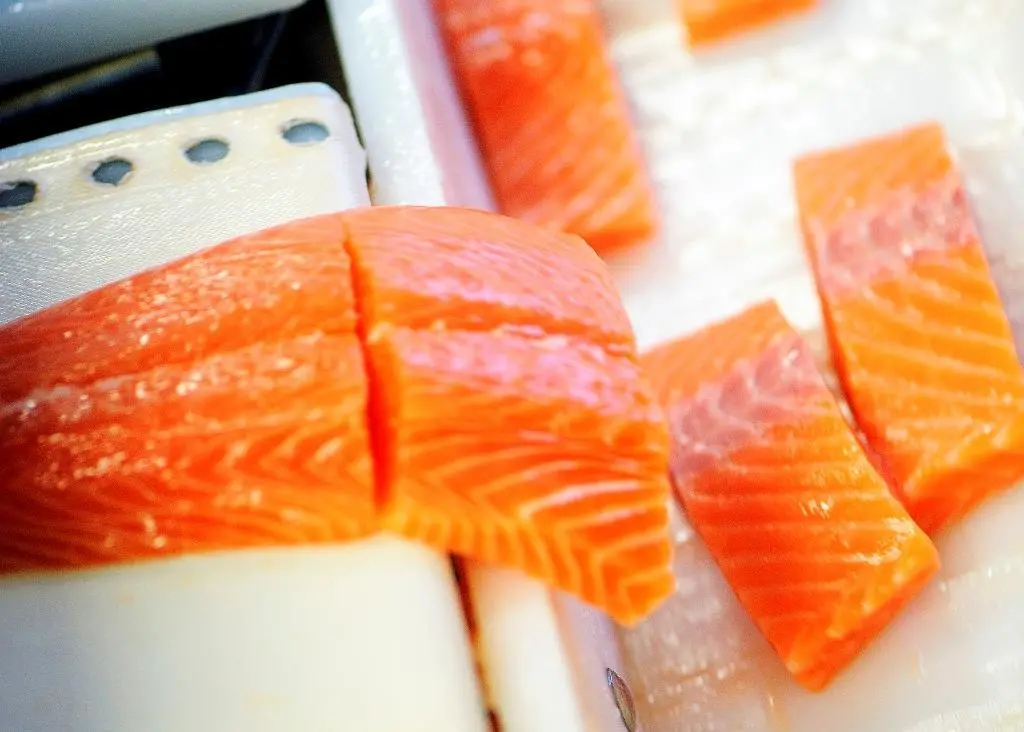
Canadian salmon remains exempt under the USMCA.
In a market advisory, Scrase explained the package amounts to an average 11% increase in tariffs on salmon imports to the US, on top of current tariffs that are zero or near zero.
The policy change arrives as global supply of farmed Atlantic salmon is already expected to rise, adding additional pressure on prices, he said, adding that Chilean exporters are likely to feel the most direct impact, as they are highly reliant on the US retail market and have limited flexibility to redirect volumes.
“With tariffs raising costs, it may prove difficult to push prices onto US consumers, potentially reducing Chilean export values.”
Norwegian and Faroese producers will also be affected, especially those focusing on the US retail market for fillet products.
However, the likely loss to US consumers will be a gain for Asian and European consumers, as volumes that were previously heading to the US may now need to be redirected to these markets. This shift could require discounts or promotional activities, given moderate demand, Scrase said.
Kontali expects spot prices to trend lower in the second-half of the year, with €6–6.50/kg likely becoming the new norm, compared to the €8/kg average seen in 2023.
Canada’s exemption from tariffs gives it a competitive edge in premium whole fish segments, Scrase noted. However, the country’s limited volume capacity means the global supply-demand imbalance remains unresolved.
“With the US accounting for nearly 25% of global Atlantic salmon consumption, the tariff change is significant. However, early signs suggest the effects may be less severe than originally feared, thanks to Canada’s tariff exemption and the scaling back of some expected tariff rates,” Scrase said. “Nonetheless, the introduction of tariffs in a market with limited domestic production raises questions.
“The move may hurt US seafood processors and consumers more than it helps domestic producers, particularly in the retail sector, where price sensitivity is high, and substitutes are limited.”
Tuna and shrimp will also face tariffs. And shrimp exporters, in particular, may shift their focus to European and Asian markets, intensifying competition for protein sources, Scrase said.
He highlighted that Vietnam, facing a proposed 46% US tariff on shrimp, has publicly-offered to eliminate its own tariffs on US goods in exchange for a bilateral trade deal, potentially shaping how other seafood-exporting nations respond.
Related Articles
 SUSTAINABILITY
 FISHERIES
 BUSINESS & FINANCE