


Wild salmon protection zones
The Scottish Environment Protection Agency (SEPA) is identifying ‘protection zones’ on the west coast of Scotland to help safeguard populations of wild Atlantic salmon.
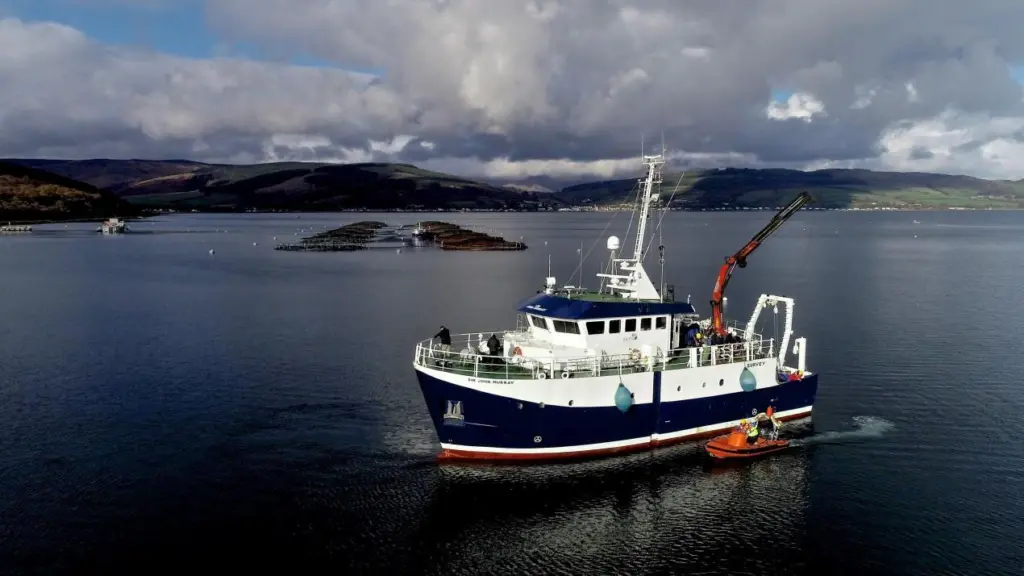
Fish farms can pose a risk to wild populations through the transfer of diseases and sea lice. SEPA is proposing a network of protection zones where fish commonly migrate in coastal waters on the west coast and Western Isles.
‘Crisis point’
Numbers of wild Atlantic salmon have declined across the north Atlantic from 8-10 million in the 1970s, to an estimated 3 million today.
Peter Pollard, head of ecology at SEPA, said that the species was ‘now at crisis point’. “Safeguarding the future of Scotland’s ‘king of fish’ requires co-ordinated action and a broad range of interests working together to manage all the pressures they face in rivers and coastal waters, from climate change to migration barriers and sea lice,” he said.
Proposals for new farms or expansions at existing farms that could affect protection zones will be subject to risk assessment and permits. Pollard is keen to reassure farmers that any measures taken will be proportionate and necessary. “It does not lock in or out development in any area,” he said.
“What it might mean is farms in higher risk areas implementing tighter but achievable levels of sea lice control, with the sector having a good track record in innovating and adapting,” he added.
SEPA plans to introduce the framework in phases from the end of 2023. A series of workshops will be hosted with stakeholders during June, July and August 2023.
Related Articles
 AQUACULTURE
 AQUACULTURE
 AQUACULTURE