



An adequate autonomous tariff quota (ATQ) system is vital to ensure the competitiveness of the fish processing industry, says the EU Fish Processors and Traders (AIPCE-CEP).
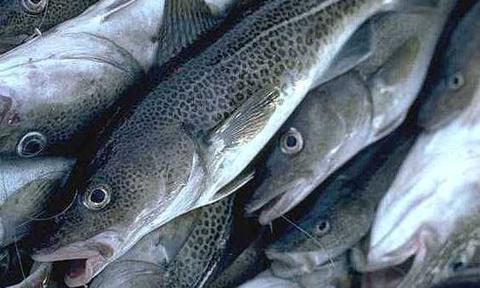
This comes after the AIPCE-CEP’s FinFish Study 2015 – to be published soon – revealed total market supply is up 1.7% to 14.4 million tonnes, while whitefish dependency is unmoved at 89% for wild capture species.
The findings were announced at AIPCE-CEP’s General Assembly, which saw a public debate with the Norwegian industry and authorities. After analysing the Commission proposal on autonomous tariff quotas 2016-2018, members unanimously concluded that this “substantially fails” to meet market demands.
“Despite the clear indication from the Finfish Study that dependence on imports remains at the same levels, the initial proposal from the Commission for the next autonomous tariff quotas round is surprisingly not conducive to growth or innovation,” said G. Pastoor, president, AIPCE.
In addition, the study revealed EU catches for whitefish species have marginally increased by 1% and quota utilisation has also marginally improved. Exports have increased by 8%.
As stated in the official ATQ report requested by the Commission before making their proposal, the ATQ instrument does not have any detectable negative impacts on the EU production sector. Furthermore, AIPCE-CEP says the ATQ regime can be evaluated to be broadly efficient in the creation of value-added at the level of every €1 custom duty foregone generating between €2.5 and €3 value-added by the industry.
“We hope that the European Commission will understand that the autonomous tariff quotas regime is a vital tool for our industry and will be able to adjust their proposal to take on board the necessary changes which will enable this system continue generating added value in the EU,” concluded P. Bamberger, president, CEP.