


Ecuadorian FIP accepted onto the IFFO RS Improver Programme
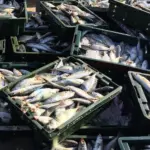
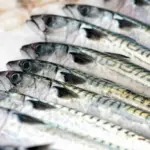
The Ecuador small pelagics Fishery Improvement Project (FIP) has successfully met the criteria for acceptance on to the IFFO RS Improver Programme (IFFO RS IP). This step forward will allow better management of the fishery and enable producers of marine ingredients to demonstrate their commitment towards responsibly sourced raw materials.
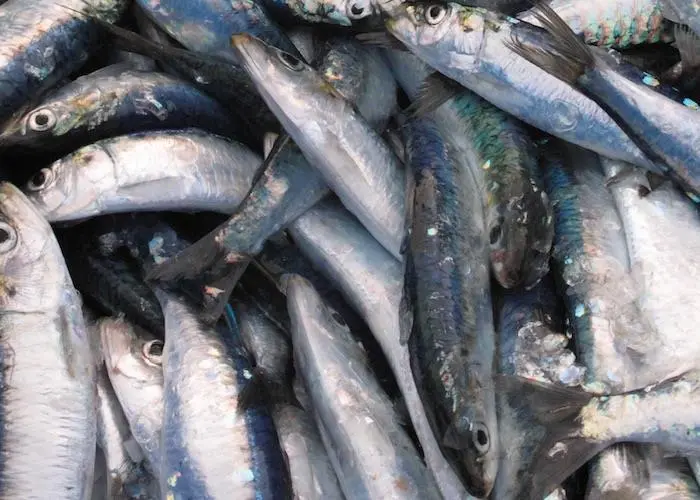
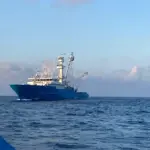
The Ecuador FIP comprises 18 Ecuadorian fishing and processing firms and three international feed producers, representing an estimated 80% of the country’s small pelagic fishing companies. During the IFFO RS IP process, the Ecuadorian FIP will have to meet a series of time-bound improvement milestones with the aim to apply for full IFFO RS Certification once all the improvements have been implemented.
“This is a major milestone towards sustainable seafood production in Ecuador. Markets are demanding responsibly farmed shrimp and this includes responsibly sourced marine ingredients in aquafeeds. GAA’s Best Aquaculture Practices program helps to provide linkages along the supply chains to incentivise positive change and it’s impressive to see how Ecuador has stepped up to meet the challenge,” said Dan Lee of GAA.
“The credibility of the Ecuador small pelagics FIP builds upon the commitment of a variety of stakeholders to improve the fishery,” commented Blake Lee-Harwood of SFP.
“On the one hand the national industry (industrial producers and fishmeal processors), represented by the Camara Nacional de Pesquería, and their supply chain (the fish feed producers Vitapro, Alimentsa and Skretting), whose contributions made possible the development of the design phase of the project. On the other hand, the commitment of the government, which is providing support as part of the GEF funded Global Marine Commodities project, a global programme implemented by the governments of Ecuador, Costa Rica, the Philippines and Indonesia with the technical support of the United Nations Development Programme and the SFP”.
Related Articles
 FISHERIES
 FISHERIES
 WORLD FISHING EVENTS