






Fishmeal production falls
The total cumulative production of fishmeal in the first two months of this year decreased 11% compared to the corresponding period of 2021, while the overall production of fish oil was 12% higher, according to the latest update on marine ingredients’ market trends from IFFO – The Marine Ingredients Organisation.
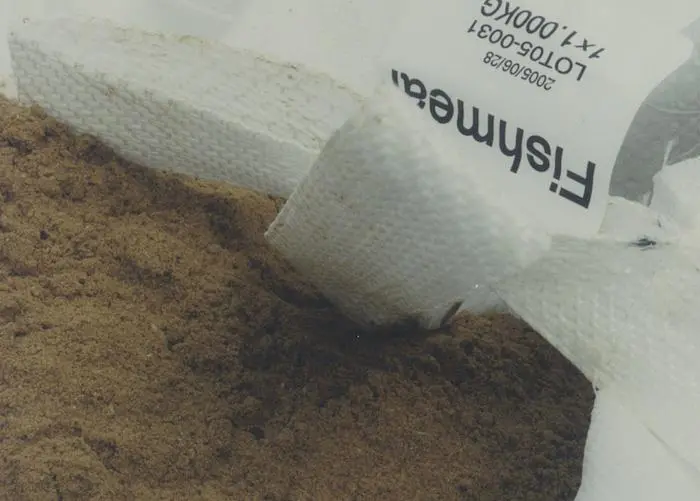
“This is mainly due to fewer catches in the North-Centre of Peru in quarter 1 2022, while the higher capelin catches in Iceland have pushed up fish oil output,” explained Dr Enrico Bachis, IFFO Market Research Director.
This countries sample, based on the IFFO membership, covers approximately 50% of the world production.
In terms of fishmeal, the northern European countries, the US and India are the only countries in the report that increased their cumulative production during the first two months of this year. Similarly, only north European countries, the US and Spain report a higher cumulative production of fish oil so far in 2022 with respect to the same period in 2021.
The update also highlights that in China, there has been a decrease in fishmeal imports and an expected long-term increase in fish by-products.
IFFO said that amid severe disruptions due to Covid, domestic fishmeal and fish oil production remains subdued.
“In May, the new fishing moratorium will be imposed across the Chinese coastline. Only in September will the fishing fleet be allowed to target wild fisheries again.
“This year, fishmeal and fish oil output from by-products may ramp up as ready-to-eat meals are becoming more popular in China. Moreover, China is increasing domestic processing of snakehead and channel catfish, which generally provide good sources of by-products,” it said.
With regards to international trade, China’s fishmeal imports in January and February 2022 decreased year-on-year, with Peru, Russia and Vietnam as the top three providers.
China’s aquaculture season traditionally starts in April, but this year it faces severe disruptions both in terms of logistics and consumption, said IFFO. However, aquafeed production increased in the first two months of this year.
Related Articles
 AQUACULTURE
 SEAFOOD
 SEAFOOD