




The implications of climate change on aquaculture
A new WorldFish paper says that scientists need to better understand the impacts of climate change on aquaculture if we are to meet future seafood demand.
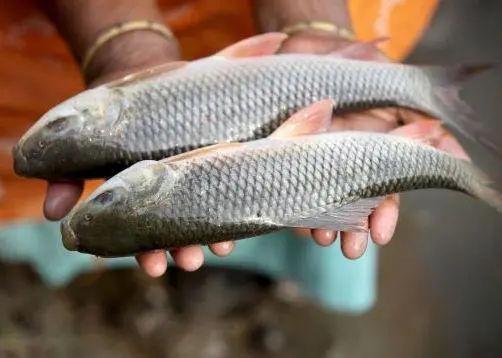
It is believed that aquaculture may be better equipped to respond to increasing temperatures and other impacts of climate change than other forms of agriculture. For these reasons, it is often seen as a good alternative source of livelihoods and nutrition for many in the developing world.
However, the paper says that in order to make the case for greater investment and supporting national policies, there is an urgent need for evidence that highlights aquaculture as a climate-smart adaptation and mitigation alternative.
The paper, Climate Change and Aquatic Animal Disease, by WorldFish senior scientist Chadag Mohan, highlights the risks of increased fish disease as a result of climate change and calls for a mapping of the potential risks and the identification of suitable adaptation and mitigation intervention strategies. It is submitted as part of the CGIAR Research Program on Climate Change and Agriculture and Food Security (CCAFS).
Fish farms in tropical zones, the paper notes, experience higher cumulative mortalities and faster progression of diseases which could be exacerbated by climate change. Disease related losses to the aquaculture industry globally are estimated by the FAO at about US$6 billion annually. With the threat of climate change bringing more disease, the paper notes that there is a need to develop stronger biosecurity governance mechanisms to manage risks associated with spread of aquatic animal pathogens.
Stephen Hall, director general of WorldFish, says, “4.5 billion people get at least 15% of their average per capita intake of animal protein from fish. And given that projections suggest that farming of fish will have to double to meet future demand, it is imperative that we gain a better understanding of how climate change will impact the farming of this valuable food crop that has such an important bearing on future global food security.”
Related Articles
 FISHERIES
 FISHERIES
 WORLD FISHING EVENTS