





Sweden’s new lobster rules
The Swedish Agency for Marine and Water Management (SwAM) has set new regulations governing fishing for lobsters as part of what it refers to as “a first step in the process of rebuilding the stock.”
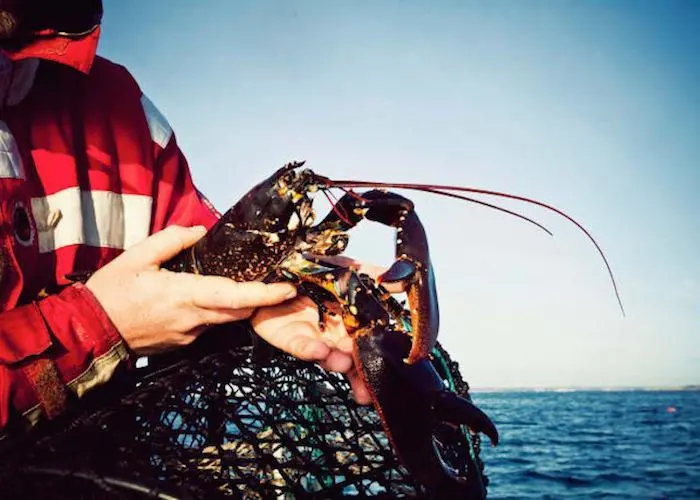
The new rules mean a reduction in the amount of permitted fishing gear, a shorter season and an increase in the minimum landing size. The rational behind tightening the conditions for the fishery is that the stock is believed to be weak and needs opportunity to grow in terms of both numbers and size of animals.
“Lobster fishing on the west coast concerns many people, both professional fishermen and recreational fishermen,” said SwAM’s Martin Rydgren.
“This has been noticeable in the calls received to the Authority during the work on the new regulations. We feel that there is a strong understanding that measures are needed to strengthen the lobster stock.”
Following a referral period, SwAM analysed opinions and concluded that the new regulations are needed, only amending the original proposals with respect to escape panels that will next year be increased in size from 54mm to 60mm.
“We listened to both fishermen and the gear industry, concluding that it will be difficult to change all gear already for this year’s fishing, which starts at 07:00 on 25 September. This change will therefore come into force on January 1st, 2018,” he said.
Reductions in the number of traps that can be used now restrict leisure fishermen to six instead of the previous 14, and commercial fishermen who could previously deploy 50 traps and now limited to 40.
“Some recreational fishermen suggested a smaller reduction in the number of traps. However, we made the assessment that a sharp reduction in the deployment of recreational fishing gear in particular is necessary for the stock to be able to recover as quickly as possible,” commented Martin Karlsson.
“Leisure fishing accounts for up to 90% of the gear used in fishing, and this is why the reduction results in the greatest effect on the amount of lobster caught. We therefore consider this to be a reasonable, necessary and proportionate measure.”
Recreational fishermen see their season cut from the opening until the end of April to a season that now closes at the end of November, while commercial fishermen can continue until the end of December. This has been done to take into account the Christmas period that is important to the commercial industry. Minimum carapace landing sizes are from this season increased from 80mm to 90mm.
“This is a first step in the process of rebuilding the lobster stock. In co-operation with researchers at the Swedish University of Agricultural Sciences, we will monitor the effects of the changes that have been made to ensure that the management measures have the intended effect and that these can be modified if necessary,” Martin Rydgren said.
Related Articles
 FISHERIES
 FISHERIES
 WORLD FISHING EVENTS