




A recent scientific paper published in Nature Communications demonstrates that it is possible to determine with high accuracy from which particular local population a fish comes from.
This study shows that by using a particular kind of genetic marker, Single Nucleotide Polymorphisms (SNPs), it is possible to distinguish with unprecedented levels of accuracy between populations of marine fish. This breakthrough is likely to revolutionise origin assignment of marine fish and fish products.
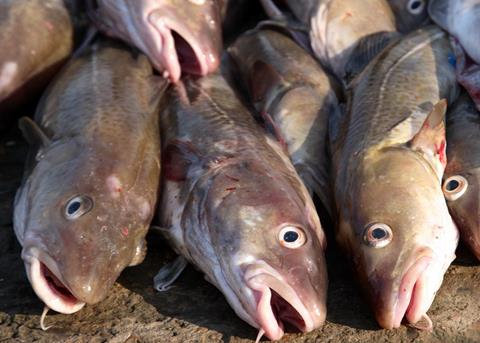
This new study, Gene-associated markers provide tools for tackling IUU fishing and false eco-certification, co-authored by scientists of the JRC's Institute for the Protection and Security of the Citizen (IPSC), considers four commercial fish species (cod, hake, common sole and Atlantic herring) on a pan-European scale.
Assessing the origin of individual fish through the genetic markers developed by the study consistently achieved a high accuracy of 93-100%. These genetic markers were created and forensically validated using a database developed and managed by the JRC, which is publicly available.
Up to 30% of fish brought to market throughout the world are believed to be caught illegally. The illegally caught fish are often mislabelled. Some are fraudulently labelled as originating from a certified sustainable fishery, to attract ethical consumers who are willing to pay more for sustainable fish. Captures from overfished regions currently closed to fishing are mislabelled as coming from another fishing region.
Certain species – some of which were legally caught – can often be mislabelled in the marketplace as other species to fetch higher prices. The JRC’s work on fish genetics therefore directly supports efforts to combat illegal fishing, protect marine ecosystems and ensure that consumers get the quality that they pay for.
The study can be found here.