


Seafood fraud puts consumer at risk
In the wake of a five-year-long bait-and-switch scheme in which a Virginia-based seafood company intentionally mislabelled crabmeat, Lloyd’s Register (LR) is calling for the seafood industry to do more to combat rogue behaviour.
Casey’s Seafood imported 183 tonnes of crabmeat and repackaged it as US-raised blue crab, amounting to a wholesale value of US$4.3m.
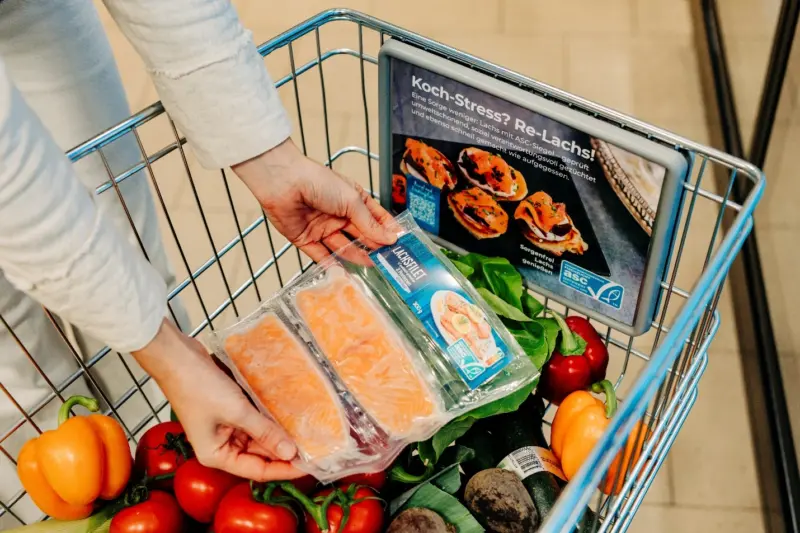
Traceability schemes such as the Marine Stewardship Council’s (MSC) blue label offer consumers protection from illegal activity but membership is not mandatory. Polly Burns, fisheries manager, customised assurance at LR argues that this type of illegal activity places consumers at risk and is urging fisheries to join a certification scheme.
“The Chain of Custody Standard ensures the blue MSC label is only displayed on seafood products that can be traced back to an MSC certified sustainable fishery,” explained Ms Burns. “This means that consumers can feel confident that the product that they are buying – from crab to cod – is what the label says it is.”
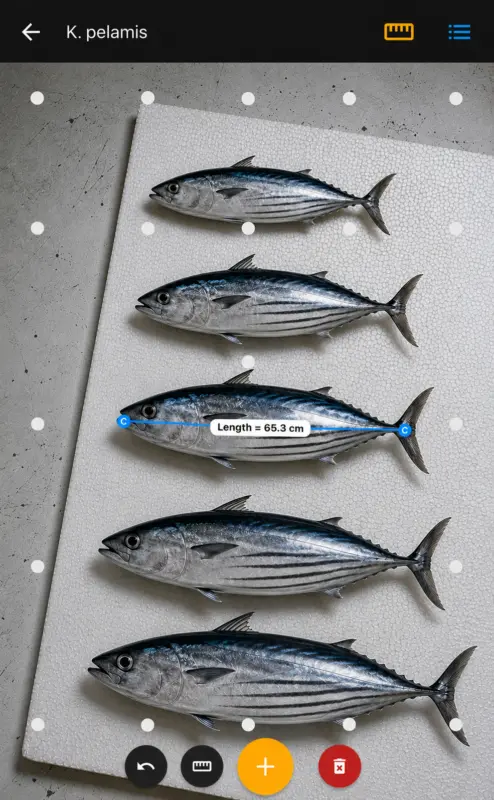
A recent study by conservation group, Oceana, found that 21% of sampled fish was not what it was called on the label or menu, meaning that certification schemes are becoming increasingly important.
“Without the blue label producers may find that they begin to face a struggle to continue supplying to both existing and new customers,” said Ms Burns.
“Fortunately, awareness among consumers is growing and many are now actively looking for the MSC blue label. The time when fisheries could expect to get away with food fraud for over five years is nearing an end,” she concluded.