




Overcoming social deficiencies
Representatives of Europêche and Cogeca have met with some of the key players in the industry with the aim of improving social and working conditions for fishermen across Europe.
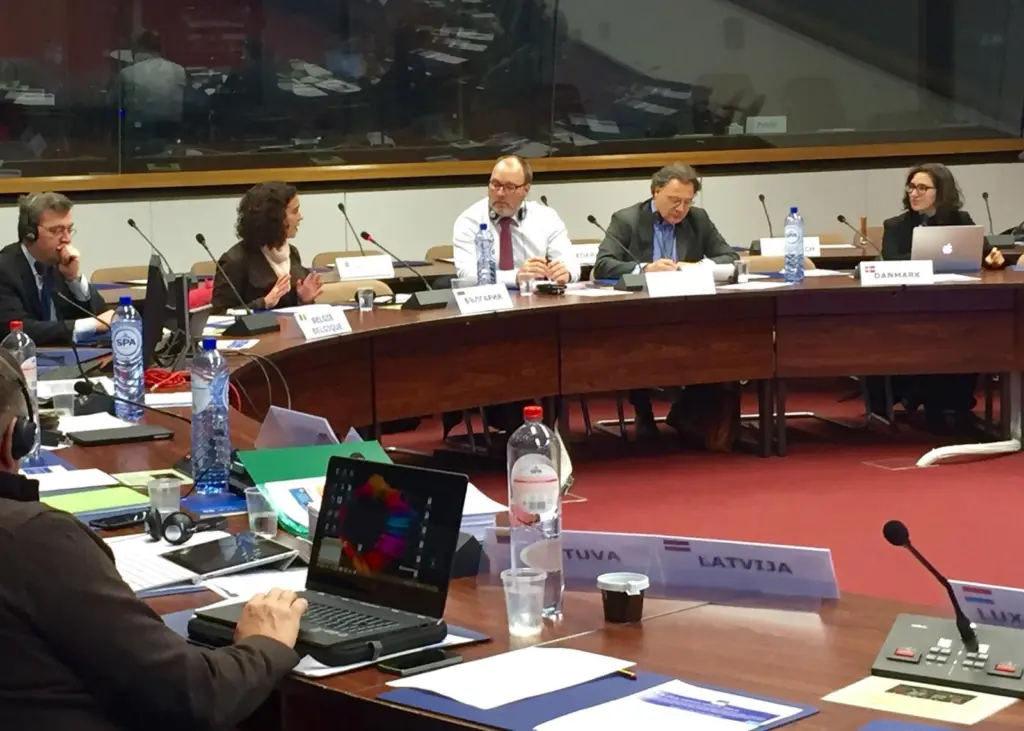
At a recent Plenary meeting, discussions took place to address problems being faced by the industry including poor safety and vocational training, high rate of accidents at sea, workplace health, Illegal, Unreported and Unregulated (IUU) fishing and migrant workers.
During the discussions held on international ocean governance, EU Social Partners (SP) stated that the Common Fisheries Policy (CFP) has made huge progress in keeping stocks healthy and abundant, even though Europêche still argues that it largely forsakes fishermen.
Europêche also criticised the European Commission’s (EC) action against IUU fishing which it said illustrates the Union’s social shortcomings perfectly. It accused the EC of playing the yellow card against countries identified as uncooperative in the fight against IUU fishing, despite some reports showing that some of these fishermen are working under unacceptable conditions.
During the meeting, the EU SP requested the EC to include its revised social clause in future Sustainable Fishing Partners Agreements (SFPAs) with third countries. The clause refers to ensuring decent working conditions for non-EU fishermen working onboard vessels operating through the SFPAs.
It also took part in a discussion with the EC’s anti-trafficking unit regarding the problem of undocumented migrants working illegally onboard Irish fishing vessels. Recently, Ireland has agreed on a new scheme for migrant workers in the fishing industry, which includes a compulsory binding contract of employment, minimum wage, repatriation and health insurance.
The EU SP has been working jointly with MEP Sofia Ribeiro on improving health, safety and working conditions onboard EU fishing vessels.
They aim to close the existing gap in the fishing industry concerning the recognition of certificates which is impeding the free movement of workers plus make safety standards for crews of fishing vessels mandatory internationally.
Related Articles
 FISHERIES
 FISHERIES
 WORLD FISHING EVENTS