


I-Tech secures global aquaculture antifouling licence
I-Tech will develop biocide-free titanium antifouling technology for aquaculture, targeting biofouling challenges through testing and commercial validation
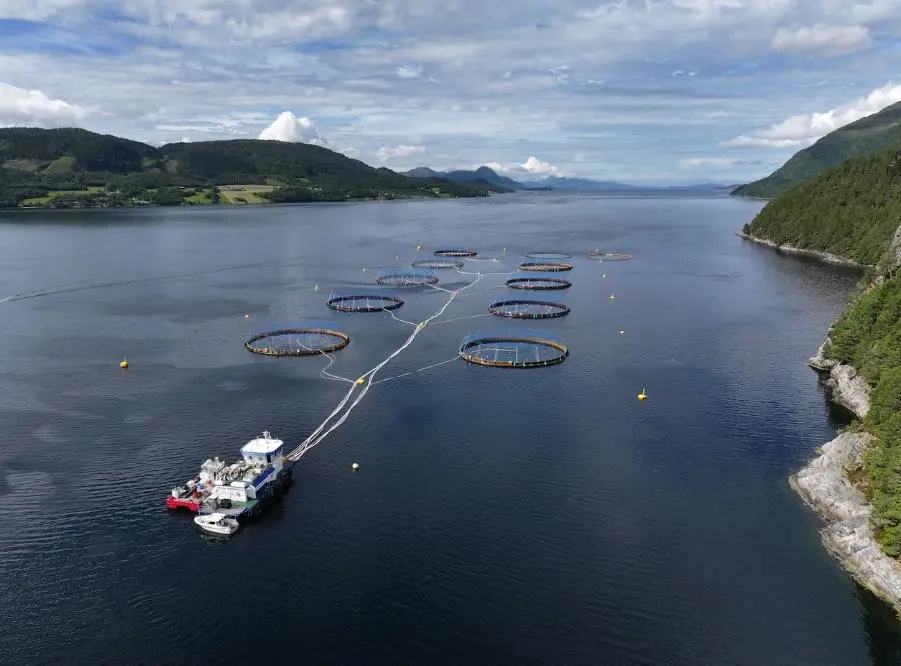
Swedish biotechnology company I-Tech has signed an exclusive worldwide licence agreement with Spain’s Titanium Technology to develop and commercialise its electrochemical antifouling technology for aquaculture applications.
The agreement marks a further step in I-Tech’s strategy to expand its portfolio of sustainable fouling-prevention solutions and establish aquaculture as a new growth market alongside its existing marine antifouling business.
“Aquaculture is becoming an increasingly important strategic growth application for I-Tech,” said Markus Jönsson, I-Tech’s chief executive.
“Biofouling presents a clear operational and sustainability challenge for the sector, and we believe Titanium Technology’s solution offers an exciting new platform from which to explore non-biocidal solutions.” He added that establishing the technology’s performance in relevant applications would be the immediate priority.
Titanium Technology’s proprietary system uses electrochemically active titanium surfaces to create controlled conditions intended to prevent initial biofilm formation and subsequent attachment by marine organisms. Unlike conventional approaches, the technology does not rely on biocides, antifouling coatings or the release of chemical substances.
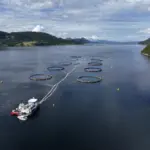
Biofouling is a persistent challenge for aquaculture operators, where growth on nets, cages and submerged equipment can restrict water flow, increase structural weight and raise maintenance costs. These effects can also influence animal welfare and production efficiency. Current control methods include mechanical cleaning, net replacement and antifouling treatments.
Under the agreement, the companies will adapt the technology for selected aquaculture applications through technical evaluations, prototype development and pilot installations involving prospective industry partners and customers.
However, commercial readiness remains unproven. Although the technology has demonstrated antifouling performance on titanium surfaces during extended seawater exposure, its suitability for aquaculture nets and cage structures has not yet been fully validated at commercial scale.
The partners will use field testing and customer evaluation to assess potential applications before determining commercialisation routes, with performance and scalability key to the technology’s future prospects.
Related Articles
 AQUACULTURE
 BUSINESS & FINANCE
 AQUACULTURE