




Largest US fishery re-certified
The Alaska pollock fishery – the largest fishery in the US and the largest certified sustainable fishery in the world – has again achieved Marine Stewardship Council (MSC) re-certification.
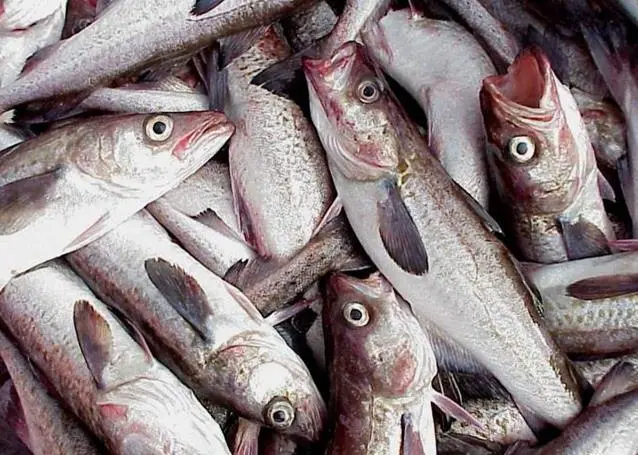
The Bering Sea, Aleutian Islands and Gulf of Alaska Pollock fisheries have been certified to the MSC standard since 2005.
Jim Gilmore from the At-sea Processors Association, the fishery client for the Alaska Pollock reassessment said, “We are proud to be one of the 10 fisheries globally to be certified as meeting the MSC’s rigorous sustainability standard three times. Alaska pollock continues to earn among the highest certification scores of any fishery in the MSC program. This re-certification reaffirms the Alaska pollock industry’s continued leadership in responsible fishing.”
The 2016 Alaska Pollock season will begin on 20 January. The North Pacific Fishery Management Council recommended to the US Secretary of Commerce a precautionary 1.34 million metric ton annual quota for the Bering Sea/Aleutian Islands, which is several hundred thousand tons less than federal fishery scientists determined can be sustainably harvested. The Gulf of Alaska Pollock fishery is set at 257,872 metric tons, a 30% increase from the 2015 quota and within the safe harvest level determined by federal fishery scientists.
“The fishery management system is known for its conservative management practices, so these quota increases indicate an exceptionally healthy Alaska pollock fishery in the Bering Sea and Gulf of Alaska,” said Pat Shanahan from Genuine Alaska Pollock Producers, the marketing trade association for Alaska Pollock. “Seafood buyers and consumers can rest assured that Alaska pollock is one of the world’s largest and most sustainable fisheries.”
Alaska Pollock is among the top five most consumed fish per capita in the US, and it is popular around the world. Primary markets for Alaska pollock products are the US, Europe and Japan. The US and Europe are the main markets for fillet-type products, and Japan is the principal market for Alaska pollock surimi.
Related Articles
 FISHERIES
 FISHERIES
 WORLD FISHING EVENTS