
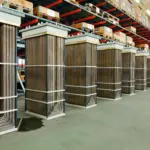





Moleaer launches new nanobubble generator
Being showcased at Aquaculture UK in Aviemore, Scotland (15 May 2024), the Trinity Nanobubble Generator, developed by Moleaer, has been engineered to optimise water quality and to bolster the health of aquaculture systems.
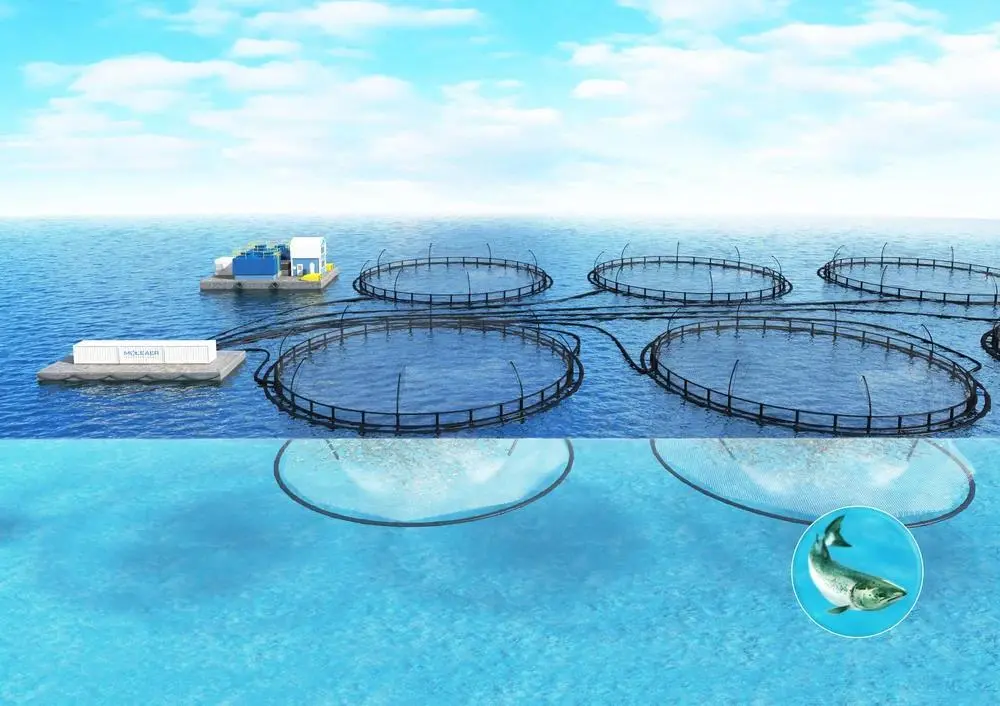
Moleaer explained that aquaculture – the fastest-growing food sector globally – faces ongoing challenges in maintaining water quality and ensuring the well-being of fish and other aquatic organisms.
With traditional aeration methods often fall short in delivering the required oxygenation necessary for fish optimal growth and welfare, Trinity provides a highly efficient solution to address these challenges, the company said.
Producing nanobubbles with a diameter of less than 100 nanometers, Trinity significantly improves water quality and fosters a more favourable aquatic environment. Unlike traditional systems, Moleaer’s nanobubbles boast an oxygen transfer efficiency exceeding 85%. Additionally, their hard shell and electrochemically charged surface contribute to scour surfaces reducing and preventing biofilm formation.
Furthermore, by curbing biofilm formation, nanobubbles improve filter performance and lower maintenance needs while mitigating the risk of disease outbreaks, thereby nurturing a healthier habitat for aquatic life.
Trinity’s key features include enhanced oxygenation for optimal oxygen levels throughout the water body and scalable high flow to reduce energy and oxygen usage, resulting in cost savings and decreased emissions. Its effectiveness has been demonstrated in various aquaculture settings worldwide, including ocean and land-based operations.
Case studies in Norway and Chile showed strong results: significant reductions in energy and oxygen consumption during sea lice treatment and improvements in fish feed conversion ratios in a recirculating aquaculture system (RAS) salmon farm.
“We are thrilled by the positive outcomes observed in our case studies across different regions,” said Jan Eric Haagensen, Senior Director at Moleaer. “Trinity’s ability to deliver hyper-efficient oxygenation, reduce energy and oxygenation costs, and minimise environmental impact underscores its transformative potential in the aquaculture industry.”
Related Articles
 AQUACULTURE
 AQUACULTURE
 AQUACULTURE