





Strong progress in Black Sea fisheries cooperation
The European Commission and the European External Action Service have adopted the 4th implementation report of the Black Sea Synergy, covering 2019-2023.
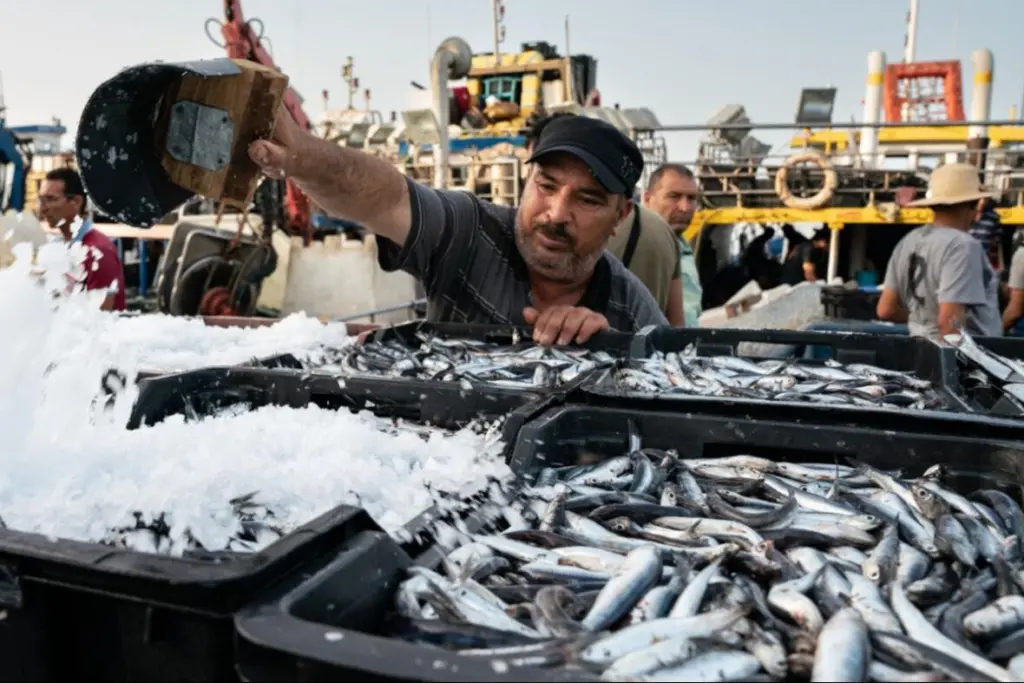
The report highlights significant progress in maritime affairs and fisheries, despite challenges from the COVID-19 pandemic and Russia’s invasion of the Ukraine.
Key initiatives like the Common Maritime Agenda (CMA) have promoted sustainable marine ecosystems, a competitive blue economy and significant investment in the Black Sea region.
With EU support, the CMA has facilitated over 90 actions worth €500 million, addressing marine pollution, entrepreneurship, tourism and environmental protection.
Positive progress
In marine research, the establishment of the Strategic Research and Innovation Agenda (SRIA) has fostered coordination among Black Sea countries, aligning national research plans with regional goals.
EU funding through Horizon 2020 and Horizon Europe has further bolstered research investments, supporting projects worth €37.5 million.
Fisheries governance has strengthened, thanks to the 2018 Sofia Ministerial Declaration roadmap. Enhanced regional cooperation has led to improved data collection, fisheries management and the fight against illegal, unreported, and unregulated (IUU) fishing.
Aquaculture remains vital for food security and economic growth, with technical assistance and support ensuring its resilience and sustainability.
The report also underscores the severe impact of Russia’s war against Ukraine, exacerbating regional challenges and obstructing freedom of navigation.
This conflict has introduced new security threats, economic challenges and environmental issues, including high pollution levels. Consequently, Russia’s participation in the Black Sea Synergy has been suspended.
Looking ahead, the report confirms the value of the inclusive, bottom-up approach of the Black Sea Synergy, guiding future EU policy in addressing environmental protection, climate change, cross-border cooperation, democracy and human rights in the region.
Related Articles
 PROCESSING & REFRIGERATION
 FISHERIES
 FISHERIES