





No sandeels for UK fishers in 2023
For the third consecutive year, the UK government has decided to not allow sandeel fishing for the benefit of the wider marine ecosystem – such as seabirds and marine mammals – that feed on the eel-like fish.
The move means UK fishermen cannot catch or swap any of the pre-agreed quota for sandeel fishing in the North Sea – totalling 5,773 tonnes.
Sandeels are an important forage fish and dietary source for vulnerable seabirds, marine mammals and commercially valuable fish. Industrial fishing of sandeels is shown to have an impact on the health of these other species within the marine ecosystem.
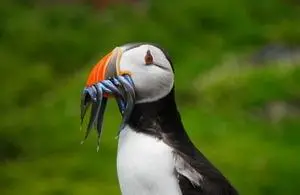
According to the UK, government, without effective fisheries management measures, loss of sandeels through commercial fishing could be detrimental to the breeding success and population resilience of certain UK seabirds which, as well as puffins, also include kittiwakes and razorbills.
“By not allowing the UK commercial fishing of sandeels, we can better protect and enhance the lives of vulnerable seabirds and marine mammals that play such a crucial part in our marine ecosystems,” Fisheries Minister Mark Spencer said.
“Sandeels are an important component in the food chain for some of our most treasured species, such as puffins, and the decision to not allow sandeel fishing for a third year running will help benefit our seabird populations and allow wildlife to thrive.”
The decision on the quota is part of the government’s wider efforts to protect sandeels, with a 12-week consultation held earlier this year to seek views on the future management of sandeels in English waters of the North Sea. The government’s response to the consultation will be published in due course.
Actions to support sandeels build on the government’s Environmental Improvement Plan to support biodiversity and allow wildlife to thrive. Under this plan, the government has committed to protecting 30% of UK land and sea for nature and will launch a new multi-million pound Species Survival Fund targeted at protecting the rarest species.
Related Articles
 PROCESSING & REFRIGERATION
 FISHERIES
 FISHERIES