




Herring boosts Iceland’s November ’23 catch
The total volume of fish and shellfish landed by the Icelandic fishing fleet in November increased by 24% or more than 17,000 tonnes year-on-year to 87,695 tonnes, according to preliminary figures for the month gathered by the country’s Directorate of Fisheries.
While demersal landings decreased 5% to 37,594 tonnes, with the cod, haddock and saithe catches falling 1%, 7% and 22%, respectively, to 22,180 tonnes, 6,935 tonnes and 3,386 tonnes.
At the same time, Iceland’s flatfish and shellfish volumed fell by 6% and 24%, respectively, to 1,615 tonnes and 228 tonnes.
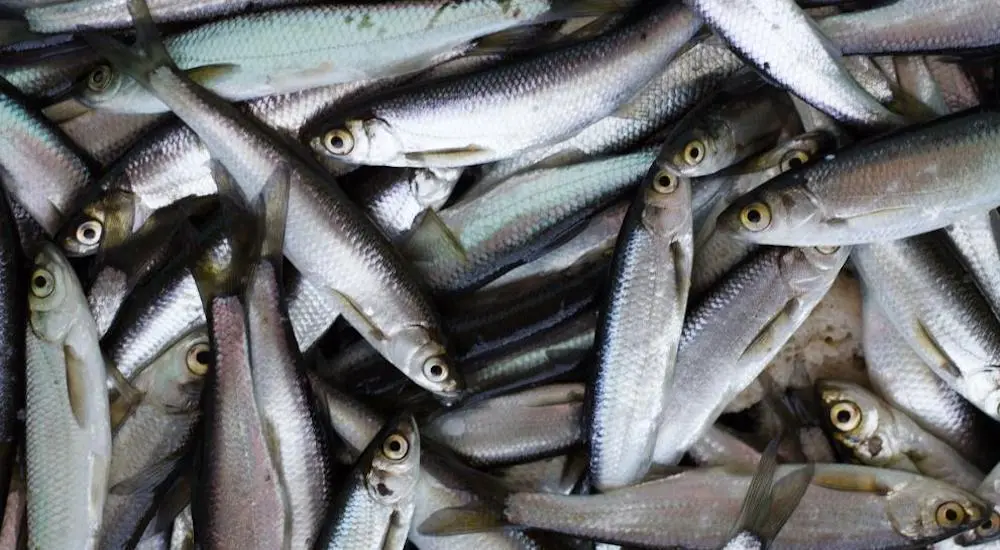
Bucking the declining trend, the month’s pelagic catch increased 66% to 48,259 tonnes, with a 42% spike in herring landings to 40,992 tonnes and blue whiting up from just 298 tonnes in November 2022 to 7,267 tonnes. No mackerel or capelin catches were reported.
The Directorate of Fisheries’ data also determined that the December 2022 to November 2023 catch totalled 1,380,263 tonnes, which was 8% less than in the previous 12-month period. There were decreases in the demersal, pelagic and shellfish categories of 8%, 8% and 5% respectively, with the volumes totalling 403,866 tonnes, 946,486 tonnes and 5,763 tonnes.
Flatfish landings increased 14% on the previous 12 months to 24,101 tonnes.
Related Articles
 PROCESSING & REFRIGERATION
 FISHERIES
 FISHERIES