




EU fishers denounce advice to stop buying mackerel
Advice given by the Marine Conservation Society (MCS), GoodFish and the World Wildlife Fund (WWF) to not buy or consume Northeast Atlantic mackerel has been criticised by EU fishing industry body Europêche for being ill-informed.
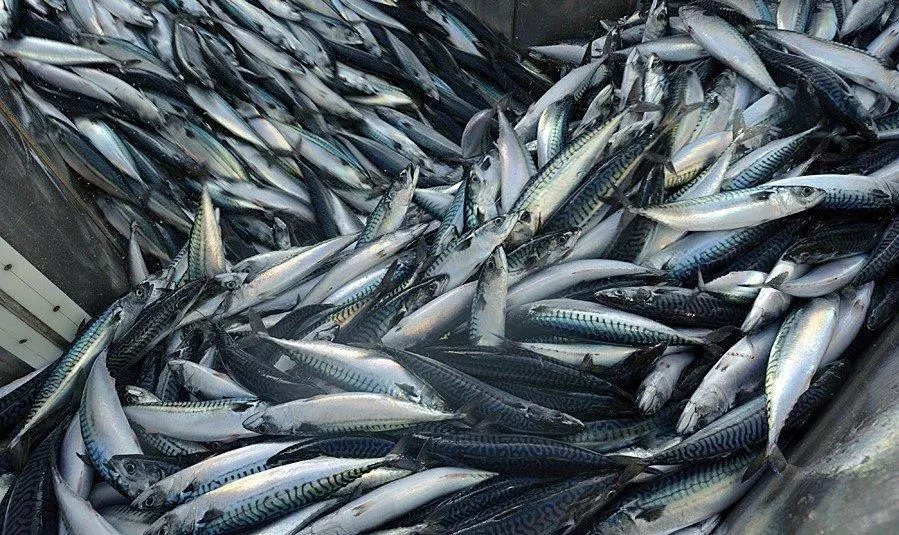
Europêche said that while the industry understands and shares the major concerns about mackerel’s declining biomass, the so-called “red-listing” of the fish in the guides deviates from current scientific advice which puts the stock above the precautionary management trigger point.
If buyers and retailers follow the advice of the NGOs, it will still not improve the chances of successful coastal states negotiations. Instead, it will deal “a major blow” to the EU fleet, which has been “showing restraint and responsibility in this fishery”, it said.
According to Europêche, management of the mackerel stock has been compromised by the lack of a quota distribution key between the coastal states involved – the EU, UK, Norway, Iceland, Faroe Islands, Greenland and Russia – since the last of such agreements expired after 2018.
The organisation said the EU industry has consistently urged all coastal states to reach a comprehensive sharing arrangement that reflects genuine, sustainable track records and interests, while also calling for action against the continuous setting (and fishing) of excessive, artificially increased (by up to 55%) unilateral quotas by parties other than the EU.
These inflated claims are based on alleged changing migration patterns and geographic distribution of the stock; scientists dealing with the topic have however stated there is insufficient data for conclusions to be drawn, it said, adding that the EU is now the only party that still exercises caution by adhering to the most recent distribution key.
Europêche also noted that the mackerel fishery advice for 2025 from the International Council for the Exploration of the Sea (ICES) not only puts forward a still substantial catch limit of 576,958 tonnes, it also shows that despite years of fishing more than the recommended quota, the stock is not considered overfished.
The biomass is still within safe biological limits, as it sits above the levels that should trigger precautionary or emergency measures, it said.
“Unfortunately, the NGO fish guides fail to consider the actual biological status of the stock. If they did, the appropriate ‘colour’ of their sustainability advice would remain yellow/orange.”
Europêche said the EU industry is calling for the NGOs in question to reverse the downgrades and is also urging buyers and retailers to take into account the scientific advice and the different approaches to the fishery between the EU and others. Additionally, it is expecting buyer and retailer members of the North Atlantic Pelagic Advocacy Group (NAPA) to keep their commitment in the context of the fishery improvement programme (FIP) for mackerel, which has set a deadline for the coastal states negotiators to reach agreement before May 2026.
“The alarm bells have been ringing for mackerel for some time. As an industry, we do believe that solutions can be found before the buyers’ deadline of May 2026. We will try to contribute to that process together with our counterparts from the other Coastal States, while remaining committed to responsible fishing. In the meantime, we strongly urge retailers to maintain a procurement policy based on scientific stock status and not on the arbitrary opinion of a partisan NGO, which seems to have randomly decided that negotiations have dragged on long enough,” said Tim Heddema, Europêche spokesperson for the EU pelagic fishing industry.
In the spring update to its Good Fish Guide, MCS moved Northeast Atlantic mackerel caught by midwater trawl from a 3 to a 4 rating, which comes with the recommendation that businesses do not source it. Additionally, mackerel caught in the Northeast Atlantic by hook and line, moved from a 2 to a 3 rating (from green to amber).
Related Articles
 PROCESSING & REFRIGERATION
 FISHERIES
 FISHERIES