



Better management needed for EU seas
Europe’s marine species, habitats and ecosystems continue to be threatened by human impact, and with maritime economic activities forecasted to increase in coming years, better management is needed, says the European Environment Agency (EEA).
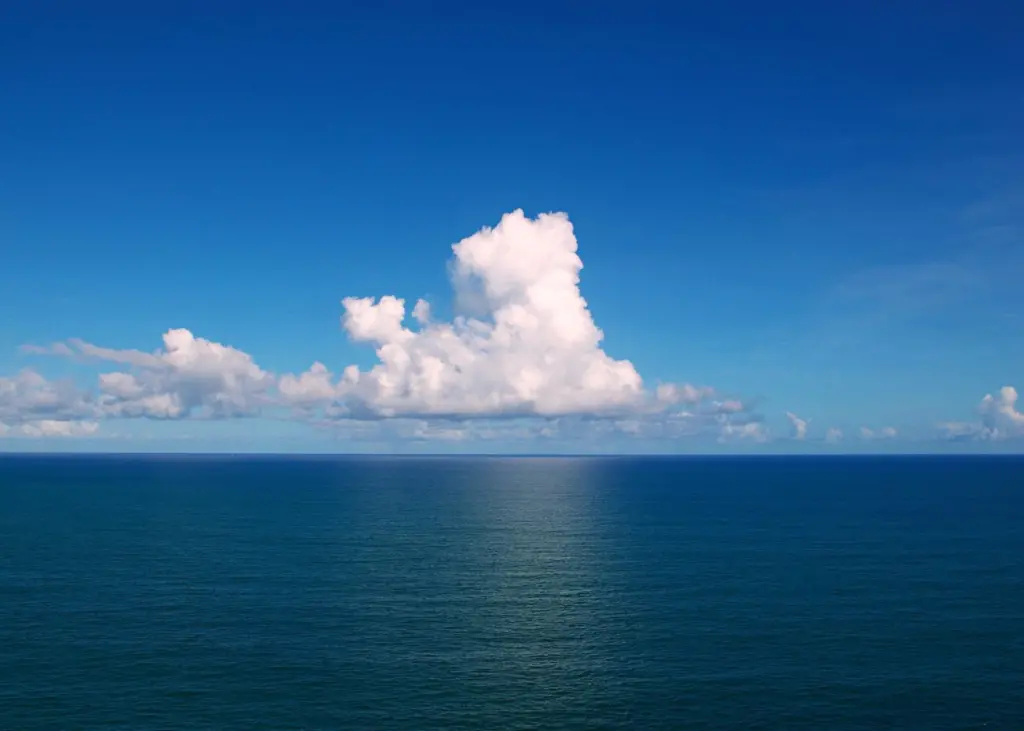
The EEA’s latest publication, Marine Messages highlights the vulnerable nature of Europe’s marine ecosystems, which the Agency says may be irreversibly damaged if they continue to be exploited beyond sustainable limits. European countries need to better understand the nature of these limits.
“The rich life in Europe’s seas is an incredible asset. But we must ensure that this asset is used in a sustainable way, without surpassing the limits of what the ecosystems can provide. The current way we use the sea risks irreversibly degrading many of these ecosystems,” said Hans Bruyninckx, executive director, EEA.
Approximately two fifths of the EU’s population, 206 million people, live in a coastal area, and 23 of 28 Member States have a coastline.
Now, the EEA is calling on Member States to implement the Marine Strategy Framework Directive (MSFD) in a more “consistent” and “coherent” manner that allows progress towards good environmental status to be monitored across regions.
In the long run, EU countries will have to shift economies and values to a more sustainable way of living, producing and consuming, the EEA adds.
There are a number of reasons for the decline of the EU’s marine ecosystems, including a rise in sea surface temperatures, eutrophication leading to oxygen-free ‘dead zones’, and increasing CO2 levels. But while more still needs to be done, some fish stocks are climbing back to safe biological limits, and nutrient loads have been reduced in the Baltic and North East Atlantic.
Related Articles
 FISHERIES
 FISHERIES
 WORLD FISHING EVENTS