





Australian salmonids see values rise
The value of farmed salmonids rose by 13% to AU$369.1m (US$393.4m) in 2009-10, to make it Australia’s most valuable fisheries product.
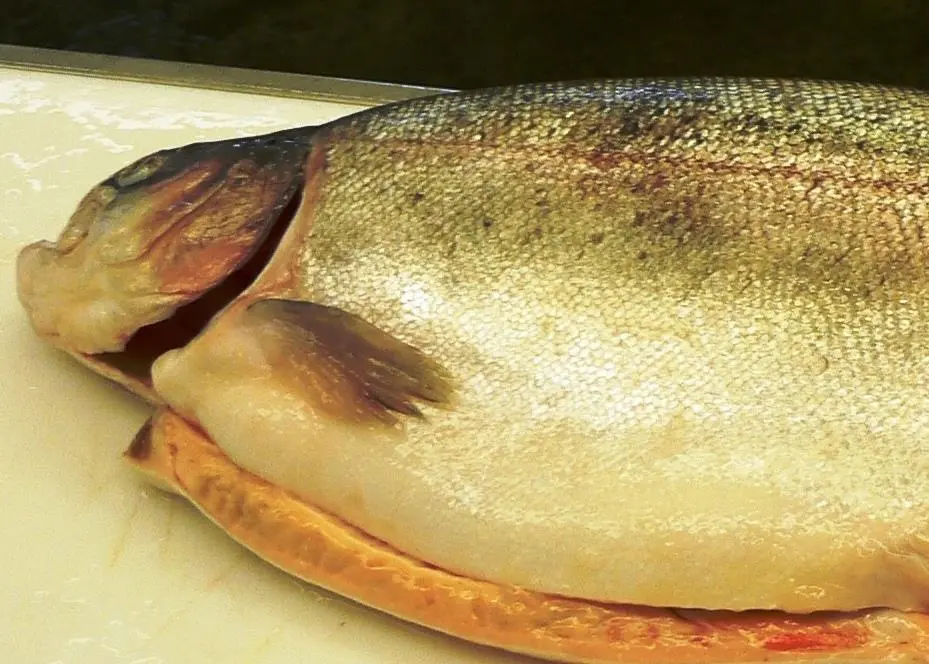
According to statistics released by the Australian Bureau of Agricultural and Resource Economics and Science (ABARES), salmonids continue to be the largest aquaculture group, accounting for 42% of the total value of aquaculture production and 17% of the entire value of the Australian fisheries sector.
Australian salmonids production is mostly made up of trout and Atlantic salmon. The figures are underpinned by higher production in the aquaculture sector, more than 95% of which is in Tasmania.
However, the value of the wild-catch sector decreased by 3%, to AU$1.34bn (US$1.43bn), while the volume of production went down slightly by 1% to 171,512 tonnes.
The income from exports were negatively impacted by international currency moves: a strong Austrailian dollar resulted in Australian producers receiving a lower price for their exports.
While the gross value of Australian fisheries production decreased by 2%, at AU$2.18bn (US$2.32bn) the total volume of production increased by 2%.
The sector is slowing a major drop in value that was at its fastest between 2001 and 2005: while the total annual volume of fisheries production has increased by 9,541 tonnes (4%) since then, the annual real gross value of production has fallen by 31%, although the rate of decline slowed in the last five years.
The combined value of tuna, prawns, rock lobster and abalone has fallen by 50% in real terms over this period, with their combined contribution to total Australian fisheries production dropping from 62% to 46%.
Related Articles
 FISHERIES
 FISHERIES
 WORLD FISHING EVENTS