




RSPCA suspends certification of Huon Aquaculture
RSPCA Australia’s Approved Certification Committee has confirmed it has decided to halt Australian salmon farming company Huon Aquaculture’s RSPCA Approved certification while it investigates claims of animal cruelty.
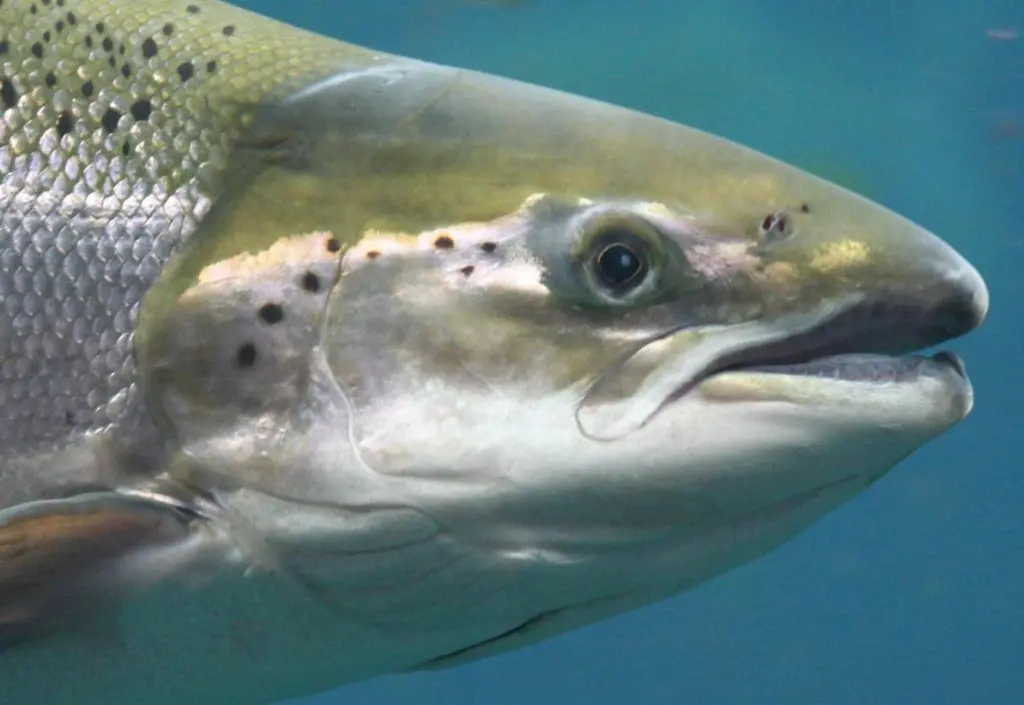
The move comes after the release of drone video footage that appears to show live salmon going into tubs with dead fish, and the tubs then being sealed. The video captured by the Bob Brown Foundation (BBF) claims this occurred at a Huon site near the entrance to the D’Entrecasteaux Channel, south of Hobart.
In a statement, RSPCA Australia said the Certification Committee made the decision to suspend the certification as an initial step because of breaches to clauses 1.01 and 2.11 of the RSPCA Approved Standard.
“The suspension is in place for an initial period of 14 days while we undertake further enquiries,” it said. “The inhumane handling of live, sick or injured fish as shown in the video being circulated is completely unacceptable. We will continue to follow our established processes in relation to this matter and will have more to say in due course.”
RSPCA Australia’s statement concluded: “As the public response to this incident shows, animal welfare in farming is incredibly important to Australians, and this is no different when it comes to aquaculture. Fish are sentient animals capable of pain and suffering, which is why the RSPCA Approved Standard exists in the first place.”
Focused on training and competency, the standard’s 1.01 clause advises that persons responsible for the management and/or handling of fish must be appropriately trained and competent in their tasks as they relate to the requirements of the standard at each stage of development, including, as relevant to their role, including:
- Observing fish and identifying normal and abnormal fish appearance and behaviour
- Recognising signs of ill health
- Appropriate care and/or treatment of injury, disease or distress
- Anaesthesia of fish (including observing signs of unconsciousness and recovery)
- Euthanasia of fish (including observing signs of death
- Handling of fish (including non-target fish)
- Loading, transport, and unloading of fish
- Slaughter of fish (including observing signs of an effective stun and bleed)
Concentrated on euthanasia, clause 2.11 states “fish must not be left to die in air”.
According to Australian media reports, Tasmanian salmon producers have this year grappled with an outbreak of the bacterial disease Piscirickettsia salmonis, which saw over 5,500 tonnes of salmon wasted.
Related Articles
 AQUACULTURE
 SEAFOOD
 SEAFOOD