



Norway sets out new aquaculture strategy
Norwegian Minister of Fisheries and the Oceans Marianne Sivertsen Næss has announced a new white paper titled “Future aquaculture – sustainable growth and food for the world”, which outlines steps the government will take to ensure the aquaculture industry can continue to create value and contribute to local coastal communities.
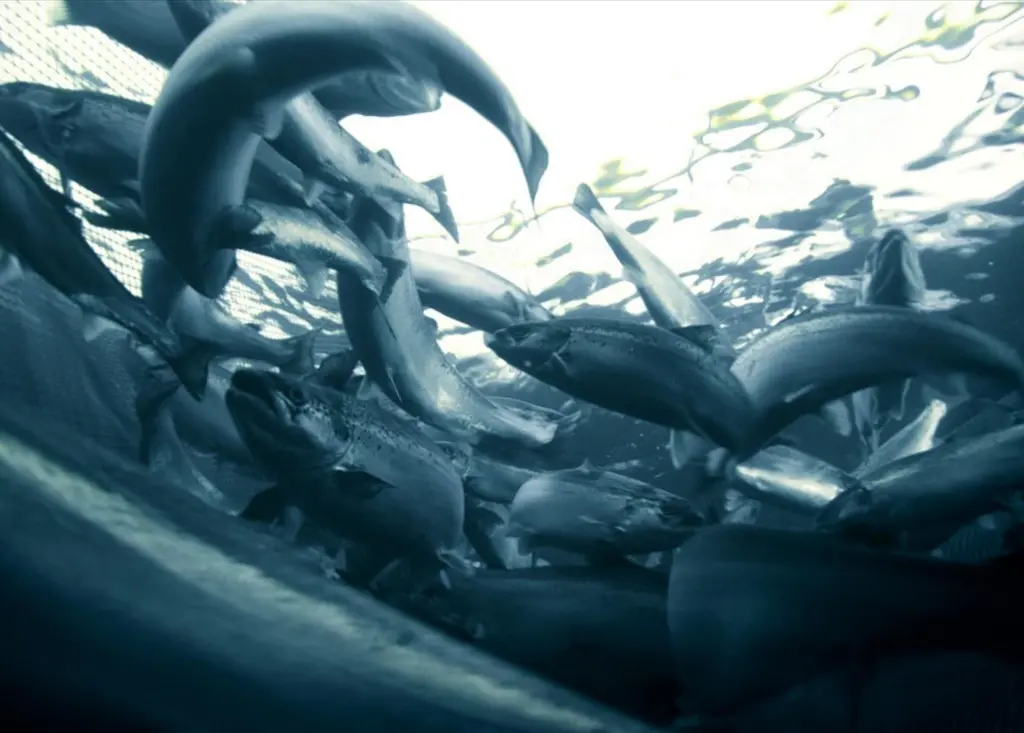
“The Norwegian aquaculture industry has experienced rapid development and growth, creating value and jobs along the coast. Aquaculture is today our second largest export industry, and it is important that Norwegian seafood has a good reputation. With this growth, challenges have also come, particularly related to the environment and fish welfare. These challenges must be resolved quickly,” Næss said.
“We see that current regulations do not provide good enough incentives for sustainable operations. The government is therefore proposing a new management system that will make it more profitable to operate with low environmental impact and good animal welfare.”
Næss explained the Norwegian government will develop the aquaculture industry and facilitate the greatest possible overall value creation.
We must then modernise aquaculture policy, she said.
“The main point in the white paper is that we will primarily regulate how production affects the environment, fish health and welfare, and not how much is produced. This is also in line with the Aquaculture Committee’s report.”
One of the government’s key goals is regulate the impact of salmon lice, with the paper stating that adjusting the maximum permitted biomass (MTB) at the company level is an inefficient means of action.
It is therefore planning to regulate the impact of lice through tradable quotas for lice emissions. These will be set on the basis of what nature can tolerate in a given area.
Everyone involved in salmon production will be covered by the quota system, Nass said, explaining that tradable quotas will facilitate flexibility for the players and cost-effective reduction of emissions in the individual area.
“We want emissions of sea lice to have a direct cost for the farmers. In this way, it will become more profitable to operate with low environmental impact. This will provide more accurate regulation of the industry.”
The paper also proposes removing quantity restrictions in aquaculture permits, with the recognition that at a company level, operators currently have few incentives to develop, invest in and use more environmentally friendly production methods. It also identifies that the quantity restrictions contribute to slowing down value creation, innovation and technological development in the aquaculture industry.
The hope is that by introducing more precise regulation of the impact of sea lice, there will no longer be a need for a quantity restriction at the company level and operators will be able to choose to a greater extent how they want to comply with the new lice regulations.
Those who take good steps will be able to increase their production, it advises.
A permit will still be required to operate aquaculture. This will grant the right to aquaculture production in a specific geographical area but will not contain a restriction on quantity or species.
Furthermore, to facilitate the most appropriate distribution of community resources, the government wants new permits under the Aquaculture Act to be awarded through auctions.
With the government also identifying that treatment against sea lice is one of the main reasons for poor welfare and high mortality in farmed fish, it is proposing to introduce a fish loss fee.
“We have seen for a long time that fish welfare in the aquaculture industry is not good enough. In the animal welfare report, we set a specific goal of getting mortality down to 5%. We are now following up by introducing a fee for lost fish. We will set the fee low at the start, and possibly increase it over time. The goal is that fish welfare will be so good that most people will not have to pay the fee,” Næss said.
According to the paper, the government’s proposal makes it more profitable to produce with low environmental impact and good animal welfare, while reduced sea lice impact and improved welfare will also be positive for the industry’s reputation.
The report has now been submitted to the Storting for processing. Proposals for changes to the regulation will then be heard.
Related Articles
 AQUACULTURE
 SEAFOOD
 SEAFOOD