



Icelandic catch growth
A large blue whiting catch helped Iceland’s fishing fleet to land 33% more fish and shellfish last month, with the total volume reaching almost 143,850 tonnes.
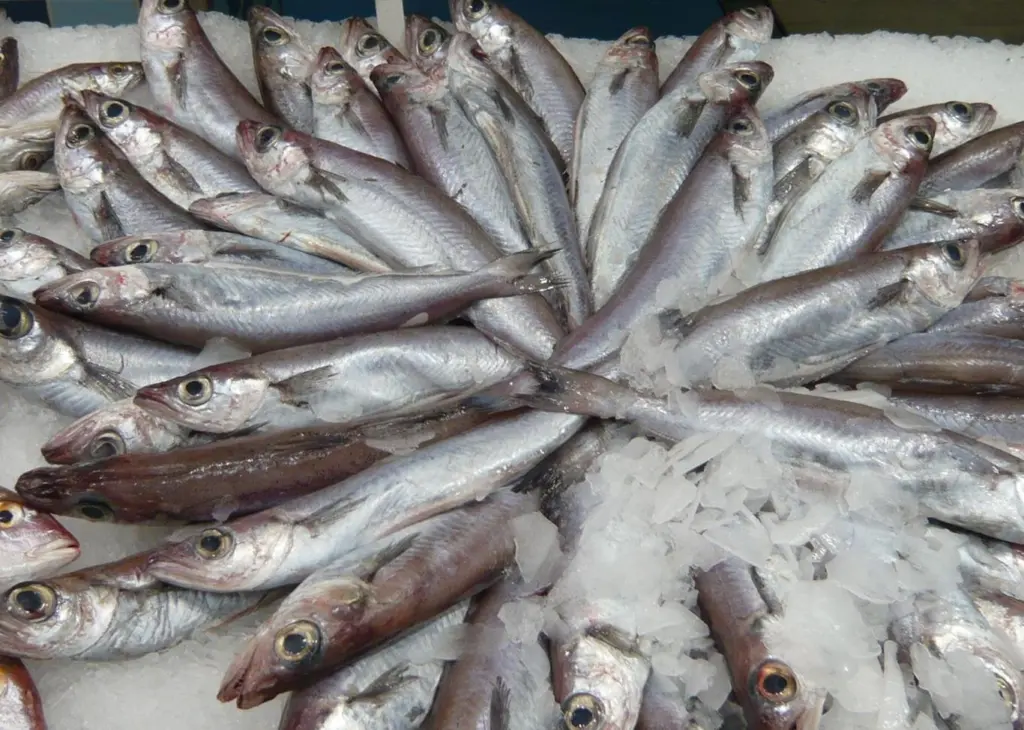
According to preliminary data compiled by the country’s Directorate of Fisheries, the May 2022 pelagic catch was up 60% year-on-year to 92,972 tonnes, with blue whiting accounting for most of the volume (92,365 tonnes – up 59%). The sector also caught 607 tonnes of mackerel.
In the demersal category, landings totalled 47,779 tonnes, which was up slightly compared with 12 months previously. Icelandic cod catches increased 1% to 25,482 tonnes, while the haddock stayed at 4,605 tonnes. Redfish and saithe climbed 6% and 7% respectively to 4,662 tonnes and 7,543 tonnes.
There was a 3% decrease in Iceland’s flatfish catch last month to 2,698 tonnes, while shellfish landings fell 45% to 400 tonnes.
The authority also estimated the June 2021 through May 2022 catch to be more than 1.5 million tonnes, up 39% on the previous 12-month period. Across the main fishery sectors, only pelagics showed any upturn – rising 81% – to more than 1 million tonnes, with capelin accounting for more than half the volume.