





PNA-ISSF cooperation to develop fisheries
A consortium of eight Pacific Island countries that controls the world’s largest sustainable tuna purse seine fishery has joined forces with the International Sustainable Seafood Foundation (ISSF) to cooperate on FAD tracking, the Vessel Day Scheme and purse seine vessel registry.
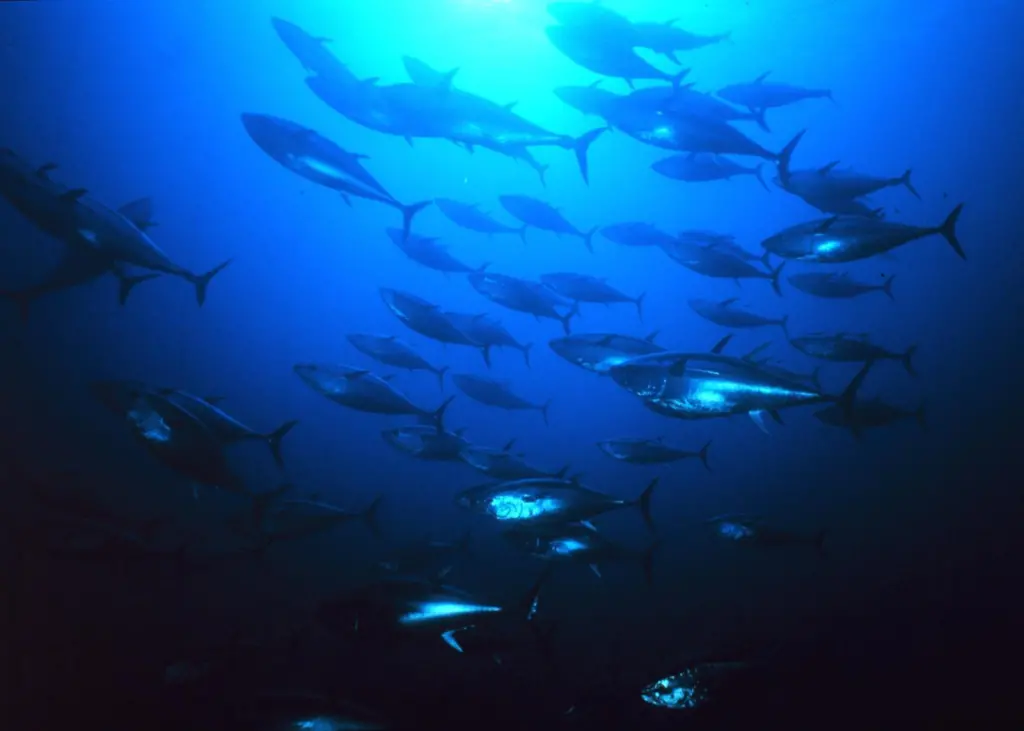
The Parties to the Naura Agreement (PNA) comprises the Federated States of Micronesia, Kiribati, Marshall Islands, Nauru, Palau, Papua New Guinea, Solomon Islands, and Tuvalu, which together supply half of the world’s skipjack tuna.
As part of this closer cooperation between ISSF and PNA, ISSF is to allow PNA nations an exemption to bring new fishing vessels into service to develop their domestic fisheries industries.
The new memorandum of understanding was hailed by PNA’s chief executive Dr Transform Aqorau for opening avenues of cooperation between the two organisations and for the “critical exemption for PNA’s domestic fisheries development.”
“The PNA-ISSF agreement allows for further cooperation and reflects the success of the Vessel Day Scheme (VDS) in controlling fishing effort,” said Dr Aqorau.
“Some in industry blame PNA for increasing the number of vessels, but these vessels are mainly fishing in-zone, where the VDS limits fishing,” he added.
The PNA exemption allowing the eight members to bring vessels to fish their domestic waters “represents a problem for those [in industry] that want to just fish and not invest in PNA domestic development,” said Dr Aqorau.
Without the exemption, new PNA purse seiners fishing in domestic waters would be unable to sell their catches to tuna processors because ISSF members had agreed they would buy product only from those vessels on the ISSF registry in 2015, or added later by removing an existing vessel.
“We cannot accept a situation where domestically-licensed purse seiners fishing in our own waters cannot sell their fish to processors,” said Dr Aqorau.
The new MOU with ISSF sets the stage for further cooperation with this international organisation that will assist in “carefully managed development of PNA domestic fisheries development,” he concluded.
Related Articles
 PROCESSING & REFRIGERATION
 FISHERIES
 FISHERIES