




The Danish government has decided to move forwards with its intention to protect fragile environments in Kattegat.
Last week, the Danish Nature Agency presented its plan for new MPAs in Kattegat, with the aim of protecting soft-bottom habitats in areas that do not have any kind of protection measures.
Oceana has said that it is pleased with the decision, as the new MPAs have been selected partly due to Oceana’s findings of rare Haploops crustaceans and horsemussel communities during at-sea expeditions in the Baltic Sea and Kattegat in 2011 and 2012.
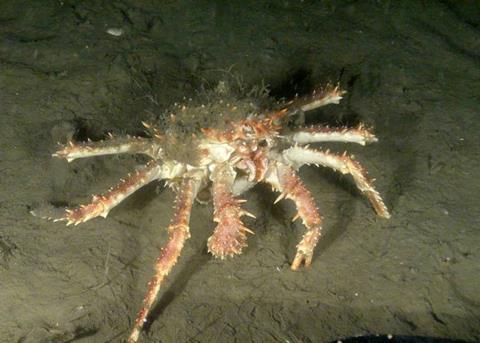
In the deeper parts of Kattegat, Oceana filmed these communities that were thought to be extinct in this region. The communities are still found in the Sound, but these locations found by Oceana in Kattegat were new to science.
In total, the Danish Nature Agency has planned for the designation of six new MPAs in Kattegat.
“We are also pleased to see that the authorities set up protection measures to manage human activities in Kattegat, for example fisheries, as proper management is essential in securing these areas on a long-term basis”, said Christina Abel, marine biologist at Oceana’s Baltic Sea office.