





Icelandic fisheries’ volume, value decline
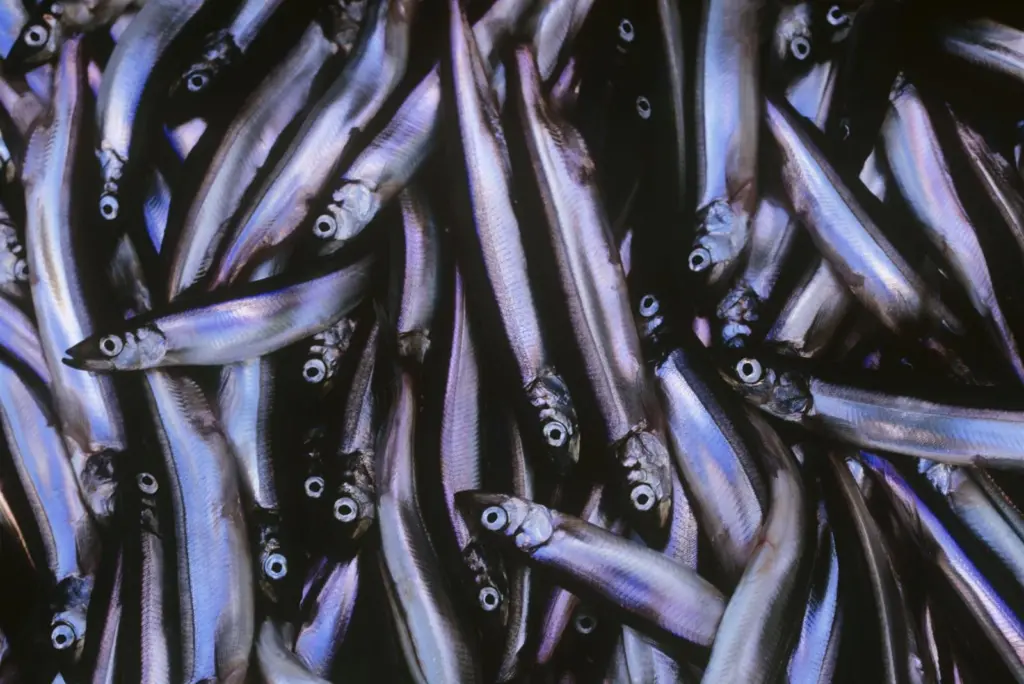
Icelandic fishing vessels caught a total 995,296 tonnes of fish and shellfish in 2024 which represented a decrease of 28% compared with the previous year, new industry figures confirm. The decline is mainly due to the fact there were no capelin caught last year.
The total catch value based on preliminary figures, was approximately ISK 171 billion, which is a 14% reduction on the previous year.
A total of 423,165 tonnes of demersal fish were caught, marking a 5% increase from 2023. The value of these catches increased by 1% to nearly ISK 127.9 billion.
Within the demersal category, cod accounted for 223,862 tonnes (up 1%), with a first-sale value of around ISK 82.1 billion (+2%). The haddock catch totalled 84,360 tonnes (+21%), valued at almost ISK 20.9 billion (+12%), while saithe and redfish landings amounted to 38,474 tonnes (-9%) and 40,976 tonnes (+5%), respectively, and were valued at ISK 9.1 billion (-16%) and ISK 10.2 billion (-4%).
Overall, Iceland’s 2024 pelagic fish was about 546,659 tonnes – a 42% decrease compared with the previous year. The value of these fish fell 50% to ISK 29 billion.
Blue whiting was this category’s biggest catch, with 323,832 tonnes (+11%) worth around ISK 12 billion (+9%). Herring and mackerel followed with 133,292 tonnes (-28%) and ISK 9.6 billion (-38%), and 89,530 tonnes (-37%) and ISK 7.4 billion (-43%), respectively.
Meanwhile, Iceland’s flatfish volume for the year increased 5% to 21,712 tonnes and its shellfish catch dropped 36% to 3,682 tonnes. The value of these landings was ISK 13 billion (+6%) and ISK 762 million (-34%), respectively.
Related Articles
 FISHERIES
 FISHERIES
 FISHERIES