






Comprehensive study on status of tuna
A new model built around biological data from electronic tags, ear bone microchemistry and fisheries catch data for Atlantic bluefin tuna indicates fishing on one side of the Atlantic influences the other side.
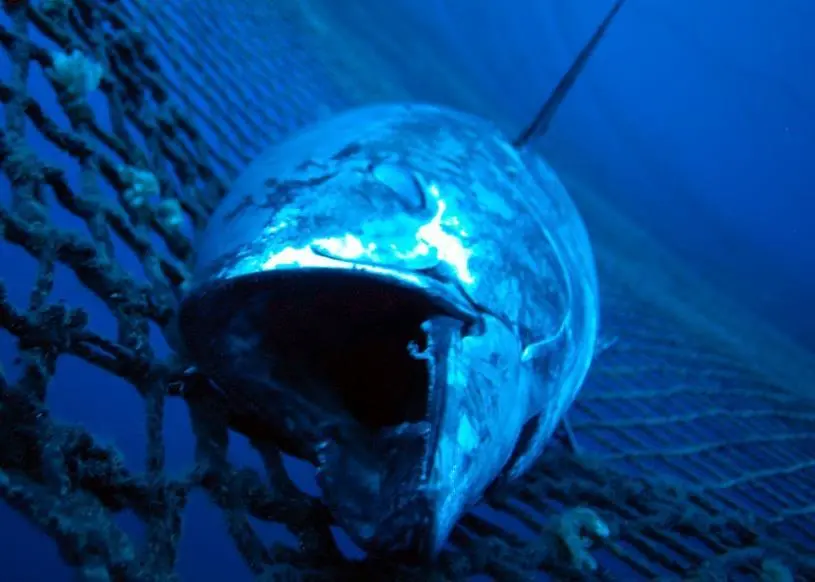
Bluefin populations on both sides of the Atlantic Ocean have declined precipitously since 1950, according to a study published in the online journal PLoS ONE. The model estimates the number of Atlantic bluefin tuna remaining in the ocean and projects future population sizes based on alternative management scenarios.
The new model is revolutionary in its ability to account for population overlap (mixing) of this highly migratory animal on the North Atlantic foraging grounds.
Two or more Atlantic bluefin populations are currently recognised by ICCAT – a western population spawns in the Gulf of Mexico and is primarily fished by North Americans, and an eastern population spawns in the Mediterranean Sea and is fished by European and North African fishers, along with high seas longliners from multiple nations. The study indicates that since 1950 adult bluefin tuna numbers have declined by as much as 83% in the Gulf of Mexico spawned western Atlantic population, and 67% in the Mediterranean spawned eastern Atlantic population.
This model incorporates new biological data such as the extensive migrations recorded on electronic tags and the information on natal origin lodged like a birth certificate in the minerals of ear bones, in order to account for the intricate movements on a seasonal scale.
Tag tracking data indicate that individual bluefin can rapidly move between western and eastern management regions but then separate and return to distinct spawning areas. The Mediterranean population was modelled with a significantly lower age to first reproduction or maturity than the Gulf of Mexico population, increasing the resilience of the former population. The combination of biological and mathematical inputs has shown a significant subsidy exists when the larger Mediterranean population moves into western waters to feed.
“Current population models assume that a fish caught in the West Atlantic was born in the west, and a fish caught in the east was born in the east,” said senior author Dr. Murdoch McAllister of the University of British Columbia. “We now know that upwards of 50% of bluefin caught in some western fisheries were spawned in the Mediterranean, and incorrect assignment of these fish biases assessments and may compromise recovery efforts of this valuable species.”
The model shows that egregious overfishing in the east depleted not just the eastern population but the western one as well. The eastern catch of bluefin tuna has been cut by approximately half since 2007 so this trend may reverse in the coming years.
The model estimates that eastern bluefin tuna can recover relatively quickly with perfect adherence to current regulations. However, significant illegal overfishing continues to be documented and threatens the recovery of fish in both the eastern and western Atlantic.
Recovery of the depleted western Atlantic bluefin tuna population will take more than 15 years under current fishery regulations.
Related Articles
 FISHERIES
 FISHERIES
 WORLD FISHING EVENTS