

Changes in Baltic Sea aquaculture
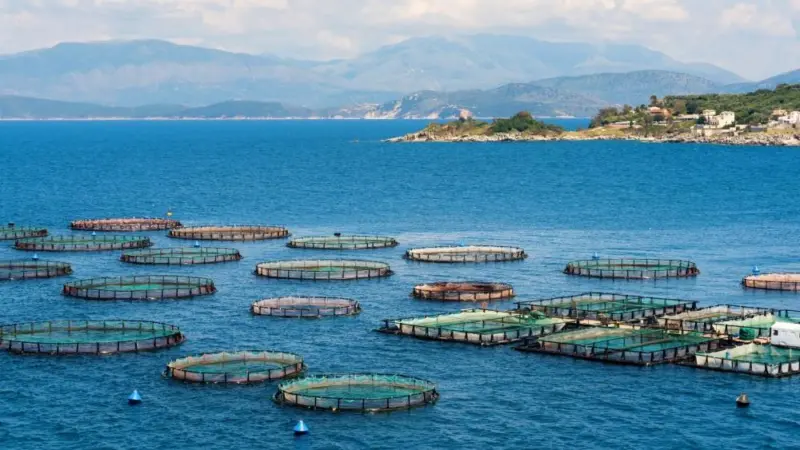
The production of farmed fish can be considerably increased and the adverse environmental impacts reduced, if the location of the establishments is carefully planned.
This is the view shared by numerous experts reflecting on the means to develop aquaculture at an international conference at the House of the Estates in Helsinki in October.
The conference was organised by the Nordic Council of Ministers, Ministry of Agriculture and Forestry and Finnish Game and Fisheries Research Institute. Europe is growing more and more dependent on fish imports, and in Finland the trend has been even more rapid than elsewhere. Less than 20 years ago almost two-thirds of the fish consumed in Finland was domestic, now this share is only a quarter. According to experts, the country can well respond to the growing demand for fish through sustainable increase in aquaculture production.
The conference concluded that the four cornerstones on which a solid foundation of aquaculture must rest in the future are: ecological efficiency, economic profitability, social acceptability, and aquaculture as a lucrative economic activity. A new approach to developing the sector ensures the ecological sustainability of the activity while creating conditions for its profitability. One concrete way to achieve this is to plan the location of the operations so that areas can be designated that are the best suited for aquaculture production and where increased production causes the least damage.
The main problem in the Baltic Sea is nutrient loading. As a contributing factor to this problem aquaculture is a small one, but in the future it could become a means to improve the status of the Baltic Sea. Fishing is an efficient way to remove nutrients from waters, but all the fish caught does not find demand in human consumption. This fish could be used as raw material for fish feed. Thus aquaculture production in the Baltic Sea could produce more valuable fish for the consumers while reducing the nutrient levels in seawater.
Related Articles
 AQUACULTURE
 AQUACULTURE
 AQUACULTURE