




Scottish salmon achieves best survival rate for four years
Investment of nearly GBP 1 billion on fish health and welfare has helped deliver the best survival rate for Scottish farmed salmon since 2020, with new figures published by trade body Salmon Scotland confirming a 98.18% survival rate on farms in September, which is traditionally the most challenging month for salmon in the sea.
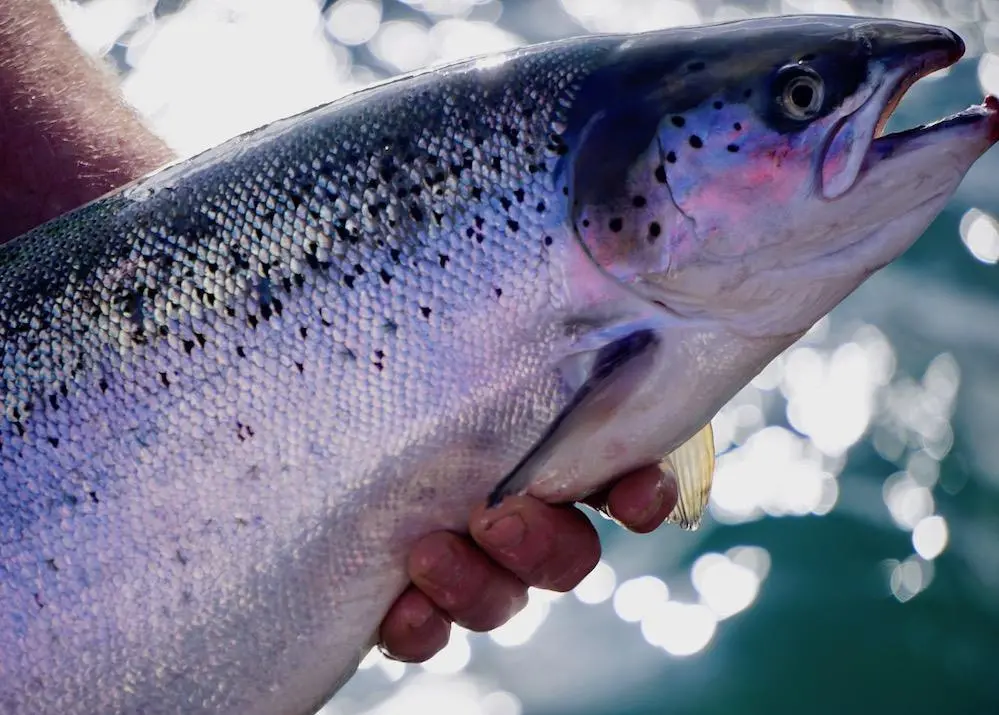
The percentage of fallen stock was around half the rate recorded in September last year, when warm sea temperatures in the autumn led to micro jellyfish blooms which can harm fish.
Scotland’s salmon farming sector spends millions of pounds every year on measures to improve the health and welfare of animals. Since 2018, GBP 975 million has been spent on freshwater treatment vessels, investment in research, a reduction in the time that farm-raised salmon spend at sea, as well as staff training and improved monitoring systems to help farmers respond to natural challenges such as jellyfish blooms and warming seawater.
Throughout 2024, survival rates have been consistently high, reaching 99.03% in June.
An annual production survey for 2023 is due to be published by the Scottish Government, which will show a decrease in volumes due to the environmental challenges widely reported at the time. Salmon Scotland highlighted that the situation has transformed significantly since then, with production up 15% in the first half of 2024 (to 86,600 tonnes from around 75,000 tonnes) compared to the same period last year.
“Scottish salmon farmers provide the highest standards anywhere in the world for the animals in their care and have invested GBP 1 billion in fish health and welfare since 2018,” Salmon Scotland Chief Executive Tavish Scott said. “And while no farmer wants to lose any animal, the care our farmers provide means that survival rates for farm-raised salmon – which spend up to 18 months in the sea – are dramatically higher than their wild cousins.
“It is testament to the dedication of farmers that survival rates on Scottish salmon farms are now at the highest level since 2020.”
Related Articles
 AQUACULTURE
 SEAFOOD
 SEAFOOD