




Scotland’s farmed salmon production tails off
Salmon farmers in Scotland harvested 169,194 tonnes of fish in 2022, with the volume representing an 18 percent decrease on the previous year, finds a new report from Scottish Government.
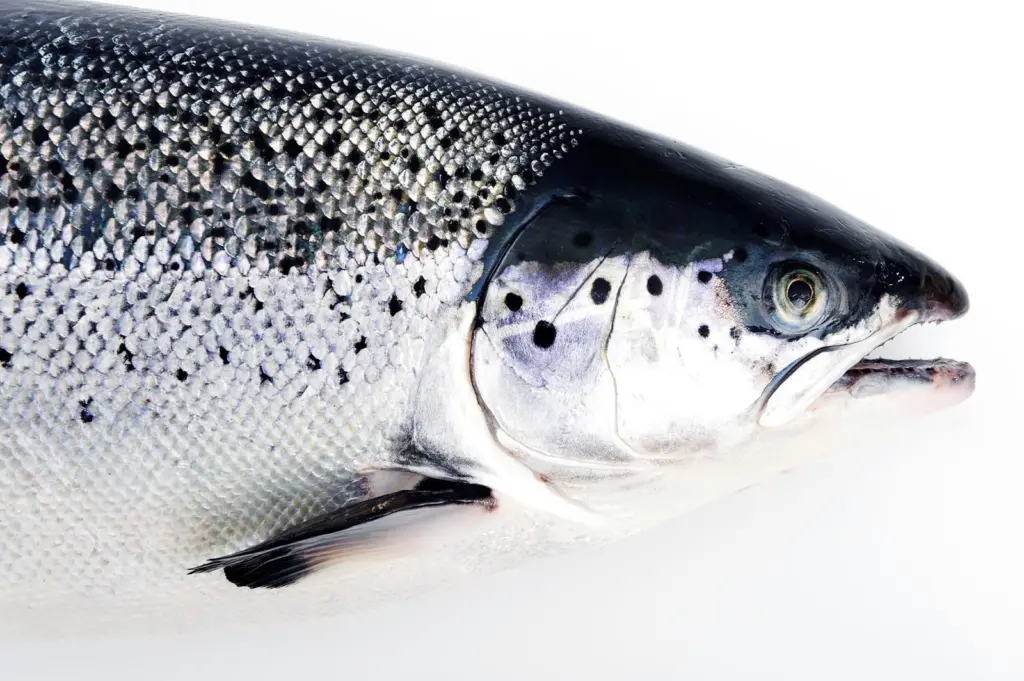
According to the “Scottish Fish Farm Production Survey 2022”, while Atlantic salmon (Salmo salar) production was down 36,199 tonnes on 2021, the total number of smolts produced in 2022 increased by 8 percent (or 3.9 million) to 55.1 million, and the tonnage of rainbow trout (Oncorhynchus mykiss) climbed 7 percent to 8,757 tonnes.
Brown and sea trout (Salmo trutta) production remained at 23 tonnes in 2022.
The annual review also confirmed that the total number of staff employed in marine salmon production increased by 13 to 1,508 people during the year.
Some 10 companies were authorised and actively producing Atlantic salmon at a total of 210 sites in 2022. Of the 209 active Atlantic salmon seawater pen sites, nine were certified as organic, producing 17,768 tonnes.
There were two incidents involving the loss of 52,463 fish from seawater Atlantic salmon sites. Six additional incidents reported where the companies confirmed there was no loss of fish.
According to the report, the estimated salmon harvest forecast for 2023 is 187,725 tonnes, with the trend towards concentrating production in larger sites being maintained – some 86% of production is being concentrated in the sites producing over 1,000 tonnes per annum.
Projections for this year also suggest less smolts will be produced than in 2022, followed by an increase in 2024.
Commenting on the report, Cabinet Secretary for Rural Affairs, Land Reform and Islands Mairi Gougeon said Scotland’s aquaculture sector is a “significant contributor” to the country’s economy, generating approximately GBP 885 million GVA and an estimated 11,700 jobs while producing healthy and nutritious products.
“It is good to see a small uplift in direct employment in the sector, and to see innovations and new strategies being deployed by the sector having a positive impact. For example, we’ve seen a reduction on the reliance of imported salmon ova (eggs) and an increase in production and hatches in Scotland. This strengthens our domestic supply chain and improves resilience. We also know that some companies are working to change their production strategies, for example by increasing the average size of fish put to sea and reducing the marine phase of production,” Gougeon said.
She added that the figures also show that Scottish fish farmers are “proactively responding to environmental and biological challenges and pressures”, for example, by making the responsible decision where necessary to harvest smaller fish to support health and welfare, which has resulted in decreased production figures.
Related Articles
 AQUACULTURE
 SEAFOOD
 SEAFOOD