



Connectivity-based solutions: how technology can keep the world’s largest fisheries on track
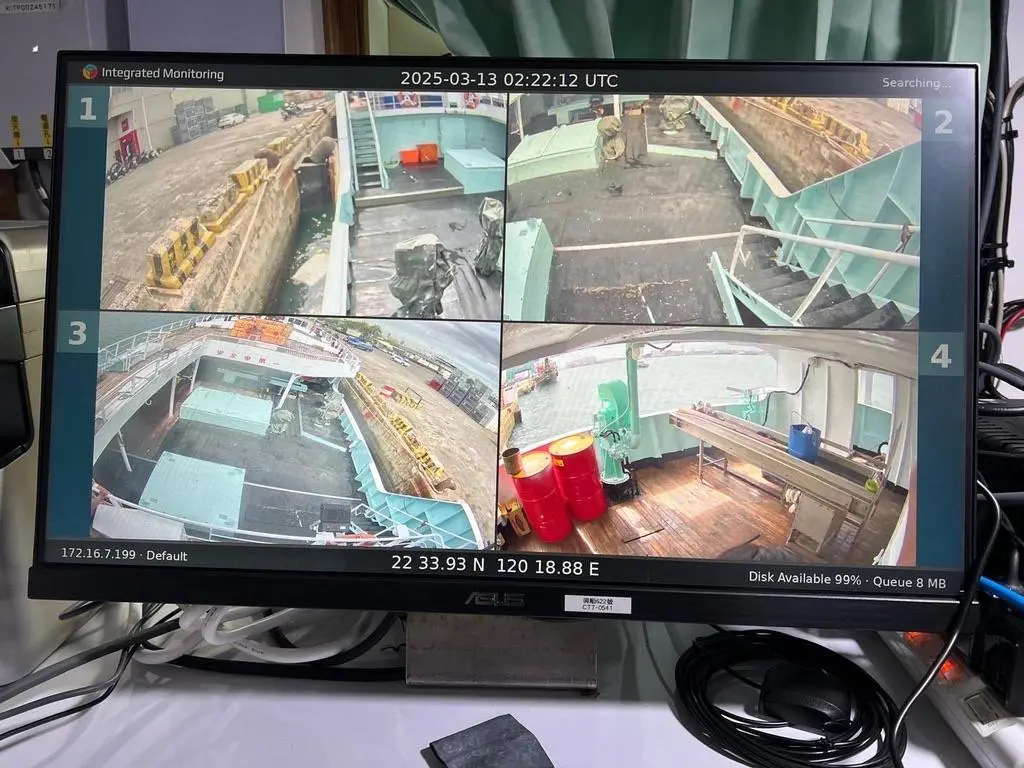
Electronic monitoring (EM) – a suite of cameras, sensors and Global Positioning System (GPS) technologies installed on fishing vessels to track activity – is gaining traction. Governments, companies and non-governmental organisations (NGOs) are investing in EM to improve transparency, comply with domestic and international rules, respond to illegal, unreported, and unregulated (IUU) fishing concerns, and meet market demands for traceable, sustainable seafood. EM holds promise as a scalable fisheries management tool that enhances supply chain transparency, especially in distant-water and high seas fleets where human observers are costly or infeasible.
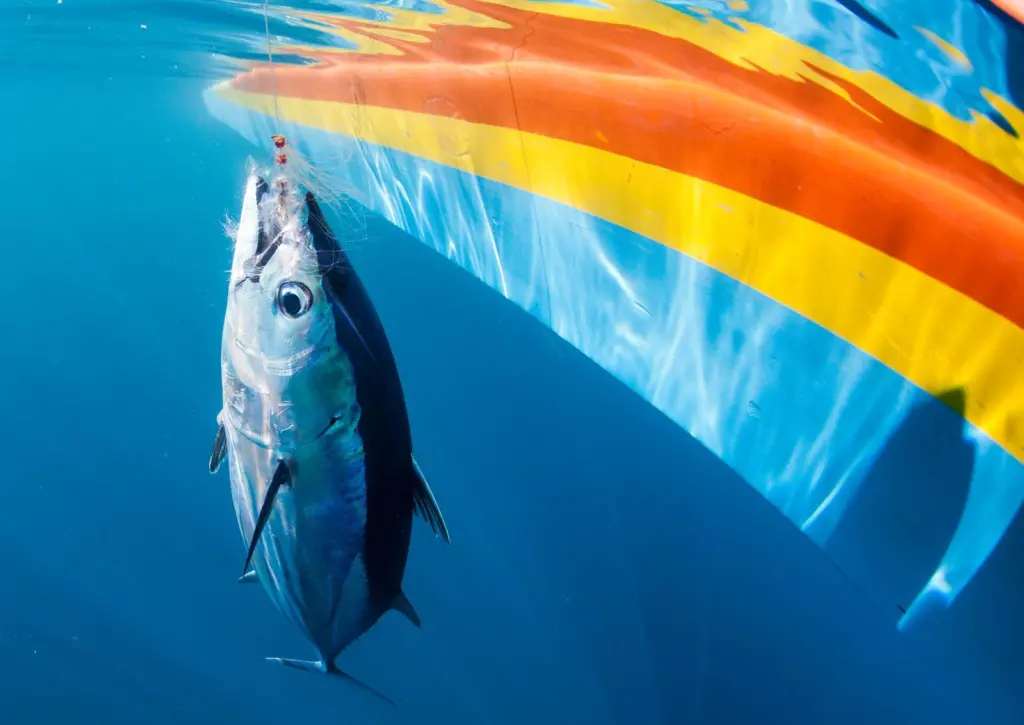
However, only a small percentage of fisheries uses science and technology, and little is still known about vessels. Global distant water longline tuna fleets, for example, often operate with less than 5% onboard observer or EM coverage, relying heavily on potentially biased self-reporting. Meanwhile, bycatch and interactions with endangered, threatened and protected (ETP) species are serious concerns, as are convoluted supply chains spanning multiple countries and involving dozens of transactions. These can enable destructive fishing to be passed off as sustainable, making high seas fishing one of the world’s most opaque industries.
Underreporting catches, shark finning, and retention of ETP species are also rife, together with labour and human rights abuse. The lack of accurate, timely fisheries data undermines effective management by regulatory bodies, hindering their ability to make informed decisions.
Amidst this, US NPOs Ocean Outcomes (O2) and Global Fishing Watch (GFW) are working to accelerate the adoption of new technologies on vessels to protect fish stocks and ensure the viability of the commercial fishing industry. One area that they are targeting is Northeast Asia’s distant water tuna fleets that operate across the Atlantic, Pacific, and Indian Oceans.
Despite this vast reach, these fleets are among the least transparent, with average observer coverage hovering below 10%. For the remaining 90% of vessels, little is known.
“East Asia plays a critical role in global fisheries, with China, Japan, South Korea and Taiwan among the world’s top six fishing economies in terms of harvest volume and vessel numbers,” Perry Broderick, Communications and Systems Director at O2, told WF. “They serve as a home base for distant-water fleets and supply important commodities like tuna and squid to Asian, North American and European markets. They also shape the global direction of fisheries governance, technology and innovation.”
“Pressure to increase observation on these fleets has grown exponentially and EM has shown to be a proven monitoring and observation alternative to human observers,” Broderick continued. “However, what has emerged is a patchwork of providers, commitments, targets, and expectations that lack a cohesive vision for implementation, resulting in sluggish uptake.”
“In Northeast Asia, sustainable seafood globally is only possible through initiative and innovation,” said Kelly Harrell, Executive Director at O2.”Increased management requirements and growing commitments are an important starting point, but there is an urgency to scale best practices across distant water tuna fisheries.”
Enhancing sustainability
New technologies like EM can significantly expand the efficacy of sustainability efforts. From electronic monitoring and onboard Wi-Fi to real-time vessel tracking and AI-powered analysis, a host of tools can drastically increase monitoring and accountability at sea.
O2 is working with a broad coalition of partners to scale the adoption of these technologies and best practices across Northeast Asia’s distant water tuna fleets. Its primary focus is implementing EM systems on-board longline tuna vessels, building capacity for data review, and integrating that data into management processes on land.
“O2 has been actively working in Taiwan for over five years, partnering with tuna suppliers and supporting them in meeting global best practices and buyer demands for sustainable and ethical fisheries,” said Broderick. “It maintains active partnerships with the two largest Taiwanese tuna vessel associations, comprising around 700 tuna longline vessels, as well as with three major tuna producing and trading companies. These are supported through comprehensive fisheries improvement projects (FIPs), helping them achieve MSC certification and meeting international buyer demands for sustainability.”
Building momentum
Technology isn’t just a tool to increase transparency – it can also improve working conditions onboard vessels. Together with The Nature Conservancy, Conservation International, and GFW, O2 was part of a project to demonstrate how electronic monitoring and Wi-Fi can improve crew welfare, detecting on-the-water labour violations and resolving disputes.
Wi-Fi access also enables crew members to maintain communication with their families, report grievances safely and manage their finances, improving their overall well-being at sea.
However, various hurdles must be addressed prior to EM installation, said Broderick. According to O2, in Japan, for example, key barriers include unstable onboard equipment, data transmission issues, and overburdened, undertrained shore-based reviewers with limited software access.
In China, scaling up a national EM programme needs more robust policies and closer cooperation between government, industry and research institutions, while South Korea’s complex, multi-gear fisheries mean that technical difficulties can arise for EM systems.
Fortunately, the momentum is here, said Harrell, with a significant portion of fleets starting to engage in sustainability work. O2 is working with industry and governments to shift fishing practices, improve policy and implement new technologies that are critical to the long-term health of fisheries and the larger ocean ecosystem that they are a part of.
Platform for progress
The organisation’s work marks a huge step towards reshaping commercial fishing on the high seas and ensuring that transparency and sustainability are at the heart of the industry. Looking ahead, O2’s goals include establishing a clear pathway towards national EM policy via regulatory processes, building local capacity for EM work including data review, and connecting various fishery stakeholders via networks and working groups that need to be engaged to make EM effective.
“There is a need for public policy leadership, deep stakeholder consultation, and more to ensure that EM systems evolve into a core part of fisheries governance,” said Broderick. “However, EM strategies are gradually maturing, and AI, data analytics and satellite connectivity will become more accessible. Continued progress will hinge on comprehensive EM guidelines and standards, more training and financial incentive programmes, and cross-sector collaboration so that EM systems deliver accountability and long-term sustainability outcomes.”
Convincing fisheries to get onboard with innovations like technology can be difficult. However, with sustained collaboration and investment, and acting on EM stakeholder recommendations, there is high potential for Northeast Asia to meet the global demand for seafood and take the lead in fisheries transparency and innovation.
Related Articles
 FISHING TECHNOLOGY
 FISHING TECHNOLOGY
 COMMENT