






Pew calls for fishing moratorium on Pacific bluefin
The Pew Charitable Trusts has called for a two-year moratorium on commercial fishing of Pacific bluefin tuna, after this year’s stock assessment has shown that the population is at just 2.6% of its historic size.
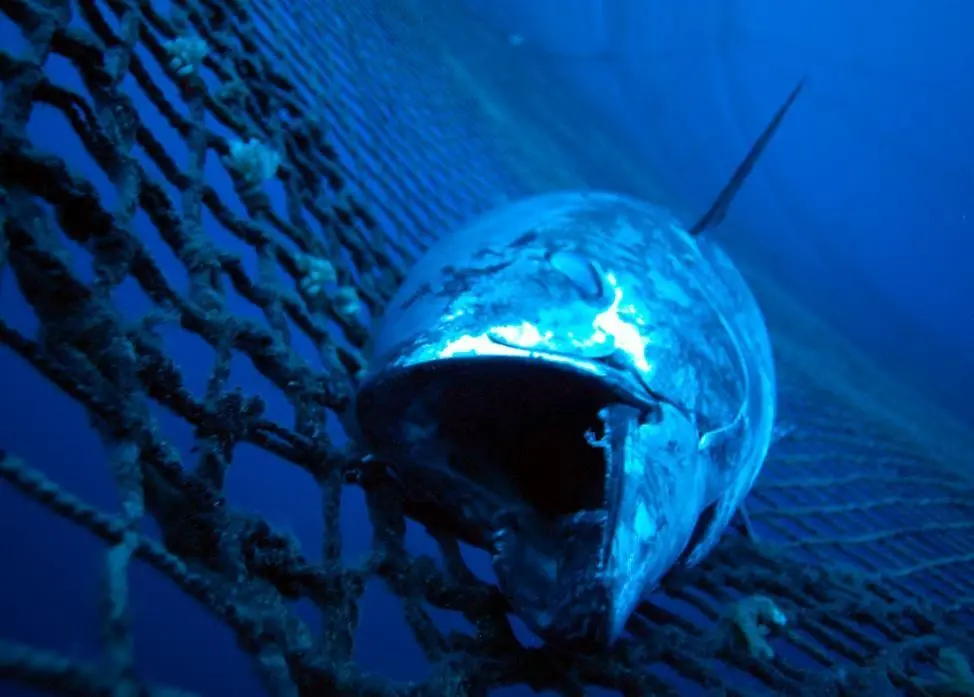
The organisation says that the Inter-American Tropical Tuna Commission and the Western and Central Pacific Fisheries Commission – the two international bodies that manage Pacific Bluefin – have failed for several years to agree on a Pacific-wide recovery plan that will end overfishing and return the population to healthy levels. Projections from the International Scientific Committee for Tuna and Tuna-like Species in the North Pacific Ocean show that under current conditions, the catch limits now in place have a less than 1% chance of successfully rebuilding the population over the next 20 years.
“Scientific estimates have indicated that the population of Pacific bluefin tuna is severely depleted” said Amanda Nickson, director of global tuna conservation for Pew. “Still, the governments charged with managing the species continue to deny them a viable rescue plan despite clear indications that the population is hovering near an all-time low. Commercial fishing continues at a rate up to three times higher than what is considered sustainable. This must come to an immediate end.
“Governments involved in this fishery have known for many years that they need to act in order to drive a bluefin recovery, and yet overfishing continues. An initial two-year commercial fishing ban would protect the species by ending overfishing.
“A commercial ban would also give international fishery managers an opportunity to implement an appropriate rebuilding plan. If adequate measures are not in place by 2018, a trade ban through the Convention on International Trade in Endangered Species of Wild Fauna and Flora (CITES) could be the only remaining option to safeguard the species”, she said.
Related Articles
 FISHERIES
 FISHERIES
 WORLD FISHING EVENTS