




Europe’s fishermen in alliance
Fishermen’s organisations across nine European countries have banded together to form the European Fisheries Alliance just days before the UK government triggered Article 50 of the Lisbon Treaty on the 29th of March, signalling its impending exit from the European Union.
The new Alliance has demanded that fisheries should be a priority for EU negotiators during the forthcoming Brexit negotiations – which mirrors the demands by UK fishermen’s organisations for just the same.
The European Fisheries Alliance (EUFA) was launched in Brussels at a roundtable focusing on “Safeguarding access to UK waters: what (hard) Brexit means for EU fishing fleets and jobs”, led by MEP Alain Cadec, Chairman of the European Parliament Fisheries Committee.
EUFA members are urging EU negotiators to ensure that fisheries ranks among the priority areas when the Council issues its negotiation mandate to the European Commission. The European Fisheries alliance further stressed that it is essential for the EU and the UK to define a long term post-Brexit agreement that benefits both European and UK fishing sectors, while ensuring the sustainability of fish stocks.
The newly-formed European Fisheries Alliance has stated that is clear the EU and British fishing industry are entwined like no other sector, while Alain Cadec assured the EUFA founding meeting that EU negotiators would take its concerns seriously.
“There is no question that we could grant the United Kingdom access to the European market without tariffs on their fisheries products if they do not provide our vessels access to their waters,” he said, making it plain that EU markets for UK fish will not be open to British fish exports unless the UK allows access to fishing grounds for European fishermen.
“We share a limited resource, we share fishing grounds and markets. Mutual access and historical catch shares have governed our industries for centuries. And the numbers speak for themselves: one third of EUFA’s catches comes from UK waters, two thirds of British seafood exports are destined to the European market,” EUFA points out.
“Any exit agreement will have far reaching consequences, both economic and social, for our fishermen and our fishing communities. Our initial analysis shows that in case of a ‘hard Brexit’ scenario, up to 6100 jobs could be lost across the fisheries sector,” commented Gerard van Balsfoort, speaking on behalf of the European fishing industry.
“For this reason, the European Fisheries Alliance believes that it is essential to have fisheries included in the mandate given by the Council to European Commission as it starts its negotiations with the United Kingdom. We have already offered our support to the EU negotiators to ensure that our concerns are being understood, in particular that any exit agreement guarantees mutual access to traditional fishing grounds, preserves the current distribution of TAC and quotas and provides for a long term responsible fisheries management framework.”
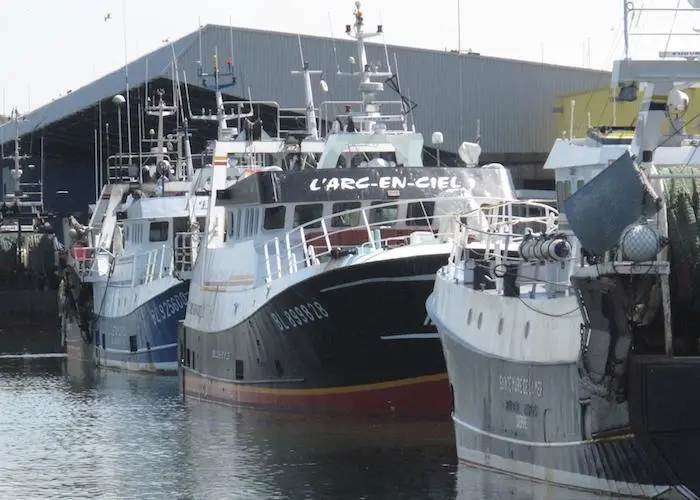
The European Fisheries Alliance describes itself as a coalition of European fishing fleets directly affected by Brexit. It consists of national organisations from Belgium, Denmark, France, Germany, Ireland, The Netherlands, Poland, Spain and Sweden. The alliance represents more than 18,000 fishermen and 3500 vessels across the industry, with an annual turnover €20.7 billion.
Related Articles
 FISHERIES
 FISHERIES
 WORLD FISHING EVENTS