




Aquaculture can grow faster, says FAO
A new report says that fish farming will likely grow more than expected in the coming decade, offering a chance for improved nutrition for millions of people.
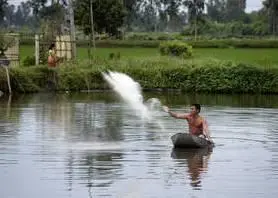
The report says that increased investment in the aquaculture sector should boost farmed fish production by as much as 4.14% per year until 2022 – notably faster than the 2.54% growth forecast made earlier this year in a joint report by FAO and the Organization for Economic Cooperation and Development
“The primary reason for increased optimism is that there is ample room for catching up with more productive technologies, especially in Asia, where many fish farmers are small and unable to foot the hefty capital outlays the industry requires to expand output without running into resource constraints,” said Audun Lem, a senior official at FAO’s Fisheries and Aquaculture Policy and Economics Division and one of the lead authors of the report.
Africa, with formidable water resources, should also host ongoing rapid growth of more than 5% a year, the fastest in the world but building on a very low current base level, according to the report.
Aquaculture has grown from virtually nothing in 1950 and to a record production of 66.5 million tonnes in 2012, up almost thirty-fold since 1970. About 50% of the $127 billion in global fish exports in 2011 came from developing countries, Lem said.
In terms of direct human consumption, farmed fish in 2014 surpassed captured fish, which reached a plateau in the mid-1980s and is expected to grow only 5% over the next decade, thanks largely to reduced waste as well as better gear reducing unwanted bycatch and improved fisheries management.
Fish prices in 2022 will be 27% higher than today in FAO’s baseline scenario, but up to 20% lower if aquaculture expands more quickly.
FAO has called upon policy makers to take nutritional considerations aboard, especially in a phase of growing aquaculture operations, and also says that fish farming ought to be analysed through a broad food system lens, as it impacts a host of factors – ranging from environmental impacts and hydropower projects through tenure rights for smallholders, sharing systems for common-pool water resources, to the employment of women in local retail networks, all of which involve complex social institutions and customs.
FAO’s report suggests that increased demand on fishmeal prices due to aquaculture’s needs is unlikely to impact prices as alternatives, such as feed based on vegetable proteins, will be developed to meet needs and respond to price pressures.
Related Articles
 AQUACULTURE
 AQUACULTURE
 AQUACULTURE